New President of Egypt

New President of Egypt
Abdel-Fattah El-Sisi, 8 June 2014

New Hope for Egypt!

New Hope for Egypt!
8 June 2014

Grandma Monirah El-Ghayaty passed away...23 Dec. 2011

Grandma Monirah El-Ghayaty passed away...23 Dec. 2011
My Beloved Mama...Miss you.

Beyoncé “Halo”

Aunty Cookie

Aunty Cookie
Hoda Nassef's Children's Blog


DEERS!

DEERS!
July 2011

Funny Animation!

The Lion Sleeps Tonite

You Sexy Thing!


Tom and Jerry ("Kitty Foiled")


2 Funny Babies!

Baby Making a Speech!


JULY-AUGUST EVENTS!

JULY-AUGUST EVENTS!

Barcelona, Spain

Barcelona, Spain

Rome, Italy

Rome, Italy

Ramadan Kareem!

Ramadan Kareem!
August 2011


JULY-AUGUST BIRTHDAYS!

JULY-AUGUST  BIRTHDAYS!

Nariman's 5th Birthday

Nariman's 5th Birthday
31 July 2011

Engy, Hany's birthdays

Engy, Hany's birthdays
6, 8 August

Cheers!

Cheers!

We like to giggle a lot!

We like to giggle a lot!
What makes you laugh?

SOUVENIRS

SOUVENIRS
Angels in Heaven

Nagat and Mona (3 years old cousins)

Nagat and Mona (3 years old cousins)
Mona went to Heaven at 19, and Nagat at 36.

Me! Four years old :)
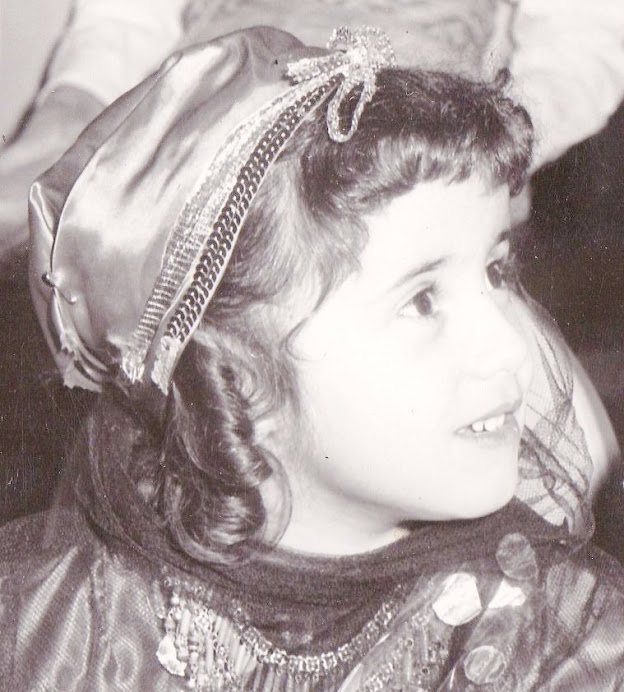
Me!  Four years old :)

Mona and I; 6 and 4 years old.

Mona and I; 6 and 4 years old.
Egyptian Embassy in the USA

Human Robot!


First Steps to Reading!

First Steps to Reading!


Read About Good Fairies and Bad Fairies!

Read About Good Fairies and Bad Fairies!
Find out more in Snow White!

Cinderella & her Prince Charming!

Cinderella & her Prince Charming!

Read Classic Fairytales!

Read Classic Fairytales!

Read Arabian Classic Stories Too!

Read Arabian Classic Stories Too!
Like Goha, Aladin, and so forth.

Watch the Show!

Watch the Show!


START HERE!

START  HERE!
Showing posts with label Parents and Teens. Show all posts

Thursday, January 15, 2009

The Queen of Quok


THE QUEEN OF QUOK

A king once died, as kings are apt to do, being as liable to shortness of breath as other mortals.


It was high time this king abandoned his earth life, for he had lived in a sadly extravagant manner, and his subjects could spare him without the slightest inconvenience.


His father had left him a full treasury, both money and jewels being in abundance. But the foolish king just deceased had squandered every penny in riotous living. He had then taxed his subjects until most of them became paupers, and this money vanished in more riotous living.


Next he sold all the grand old furniture in the palace; all the silver and gold plate and bric-a-brac; all the rich carpets and furnishings and even his own kingly wardrobe, reserving only a soiled and moth-eaten ermine robe to fold over his threadbare raiment. And he spent the money in further riotous living. Don't ask me to explain what riotous living is.


I only know, from hearsay, that it is an excellent way to get rid of money. And so this spendthrift king found it. He now picked all the magnificent jewels from this kingly crown and from the round ball on the top of his scepter, and sold them and spent the money.


Riotous living, of course. But at last he was at the end of his resources. He couldn't sell the crown itself, because no one but the king had the right to wear it. Neither could he sell the royal palace, because only the king had the right to live there.


So, finally, he found himself reduced to a bare palace, containing only a big mahogany bedstead that he slept in, a small stool on which he sat to pull off his shoes and the moth-eaten ermine robe.


In this straight he was reduced to the necessity of borrowing an occasional dime from his chief counselor, with which to buy a ham sandwich. And the chief counselor hadn't many dimes. One who counseled his king so foolishly was likely to ruin his own prospects as well.


So the king, having nothing more to live for, died suddenly and left a ten-year-old son to inherit the dismantled kingdom, the moth-eaten robe and the jewel-stripped crown. No one envied the child, who had scarcely been thought of until he became king himself.


Then he was recognized as a personage of some importance, and the politicians and hangers-on, headed by the chief counselor of the kingdom, held a meeting to determine what could be done for him.


These folk had helped the old king to live riotously while his money lasted, and now they were poor and too proud to work. So they tried to think of a plan that would bring more money into the little king's treasury, where it would be handy for them to help themselves.


After the meeting was over the chief counselor came to the young king, who was playing peg-top in the courtyard, and said: "Your majesty, we have thought of a way to restore your kingdom to its former power and magnificence."


"All right," replied his majesty, carelessly.


"How will you do it?"


"By marrying you to a lady of great wealth," replied the counselor.


"Marrying me!" cried the king.


"Why, I am only ten years old!"


"I know; it is to be regretted. But your majesty will grow older, and the affairs of the kingdom demand that you marry a wife."


"Can't I marry a mother, instead?" asked the poor little king, who had lost his mother when a baby. "Certainly not," declared the counselor.


"To marry a mother would be illegal; to marry a wife is right and proper."


"Can't you marry her yourself?" inquired his majesty, aiming his peg-top at the chief counselor's toe, and laughing to see how he jumped to escape it.


"Let me explain," said the other.


"You haven't a penny in the world, but you have a kingdom. There are many rich women who would be glad to give their wealth in exchange for a queen's coronet--even if the king is but a child. So we have decided to advertise that the one who bids the highest shall become the queen of Quok."


"If I must marry at all," said the king, after a moment's thought, "I prefer to marry Nyana, the armorer's daughter."


"She is too poor," replied the counselor. "Her teeth are pearls, her eyes are amethysts, and her hair is gold," declared the little king.


"True, your majesty. But consider that your wife's wealth must be used. How would Nyana look after you have pulled her teeth of pearls, plucked out her amethyst eyes and shaved her golden head?" The boy shuddered.


"Have your own way," he said, despairingly. "Only let the lady be as dainty as possible and a good playfellow."


"We shall do our best," returned the chief counselor, and went away to advertise throughout the neighboring kingdoms for a wife for the boy king of Quok. There were so many applicants for the privilege of marrying the little king that it was decided to put him up at auction, in order that the largest possible sum of money should be brought into the kingdom.


So, on the day appointed, the ladies gathered at the palace from all the surrounding kingdoms--from Bilkon, Mulgravia, Junkum and even as far away as the republic of Macvelt.


The chief counselor came to the palace early in the morning and had the king's face washed and his hair combed; and then he padded the inside of the crown with old newspapers to make it small enough to fit his majesty's head.


It was a sorry looking crown, having many big and little holes in it where the jewels had once been; and it had been neglected and knocked around until it was quite battered and tarnished. Yet, as the counselor said, it was the king's crown, and it was quite proper he should wear it on the solemn occasion of his auction.


Like all boys, be they kings or paupers, his majesty had torn and soiled his one suit of clothes, so that they were hardly presentable; and there was no money to buy new ones.


Therefore the counselor wound the old ermine robe around the king and sat him upon the stool in the middle of the otherwise empty audience chamber. And around him stood all the courtiers and politicians and hangers-on of the kingdom, consisting of such people as were too proud or lazy to work for a living.


There was a great number of them, you may be sure, and they made an imposing appearance. Then the doors of the audience chamber were thrown open, and the wealthy ladies who aspired to being queen of Quok came trooping in.


The king looked them over with much anxiety, and decided they were each and all old enough to be his grandmother, and ugly enough to scare away the crows from the royal cornfields. After which he lost interest in them.


But the rich ladies never looked at the poor little king squatting upon his stool. They gathered at once about the chief counselor, who acted as auctioneer.


"How much am I offered for the coronet of the queen of Quok?" asked the counselor, in a loud voice.


"Where is the coronet?" inquired a fussy old lady who had just buried her ninth husband and was worth several millions.


"There isn't any coronet at present," explained the chief counselor, "but whoever bids highest will have the right to wear one, and she can then buy it."


"Oh," said the fussy old lady, "I see."


Then she added: "I'll bid fourteen dollars."


"Fourteen thousand dollars!" cried a sour-looking woman who was thin and tall and had wrinkles all over her skin--"like a frosted apple," the king thought.


The bidding now became fast and furious, and the poverty-stricken courtiers brightened up as the sum began to mount into the millions.


"He'll bring us a very pretty fortune, after all," whispered one to his comrade, "and then we shall have the pleasure of helping him spend it."


The king began to be anxious. All the women who looked at all kind-hearted or pleasant had stopped bidding for lack of money, and the slender old dame with the wrinkles seemed determined to get the coronet at any price, and with it the boy husband.


This ancient creature finally became so excited that her wig got crosswise of her head and her false teeth kept slipping out, which horrified the little king greatly; but she would not give up.


At last the chief counselor ended the auction by crying out: "Sold to Mary Ann Brodjinsky de la Porkus for three million, nine hundred thousand, six hundred and twenty-four dollars and sixteen cents!" And the sour-looking old woman paid the money in cash and on the spot, which proves this is a fairy story.


The king was so disturbed at the thought that he must marry this hideous creature that he began to wail and weep; whereupon the woman boxed his ears soundly. But the counselor reproved her for punishing her future husband in public, saying: "You are not married yet. Wait until to-morrow, after the wedding takes place. Then you can abuse him as much as you wish. But at present we prefer to have people think this is a love match."


The poor king slept but little that night, so filled was he with terror of his future wife. Nor could he get the idea out of his head that he preferred to marry the armorer's daughter, who was about his own age. He tossed and tumbled around upon his hard bed until the moonlight came in at the window and lay like a great white sheet upon the bare floor.


Finally, in turning over for the hundredth time, his hand struck against a secret spring in the headboard of the big mahogany bedstead, and at once, with a sharp click, a panel flew open.


The noise caused the king to look up, and, seeing the open panel, he stood upon tiptoe, and, reaching within, drew out a folded paper. It had several leaves fastened together like a book, and upon the first page was written: "When the king is in trouble This leaf he must double And set it on fire To obtain his desire."


This was not very good poetry, but when the king had spelled it out in the moonlight he was filled with joy.


"There's no doubt about my being in trouble," he exclaimed; "so I'll burn it at once, and see what happens." He tore off the leaf and put the rest of the book in its secret hiding place. Then, folding the paper double, he placed it on the top of his stool, lighted a match and set fire to it. It made a horrid smudge for so small a paper, and the king sat on the edge of the bed and watched it eagerly.


When the smoke cleared away he was surprised to see, sitting upon the stool, a round little man, who, with folded arms and crossed legs, sat calmly facing the king and smoking a black briarwood pipe.


"Well, here I am," said he. "So I see," replied the little king. "But how did you get here?"


"Didn't you burn the paper?" demanded the round man, by way of answer. "Yes, I did," acknowledged the king.


"Then you are in trouble, and I've come to help you out of it. I'm the Slave of the Royal Bedstead."


"Oh!" said the king. "I didn't know there was one."


"Neither did your father, or he would not have been so foolish as to sell everything he had for money. By the way, it's lucky for you he did not sell this bedstead. Now, then, what do you want?"


"I'm not sure what I want," replied the king; "but I know what I don't want, and that is the old woman who is going to marry me."


"That's easy enough," said the Slave of the Royal Bedstead.


"All you need do is to return her the money she paid the chief counselor and declare the match off. Don't be afraid. You are the king, and your word is law."


"To be sure," said the majesty. "But I am in great need of money. How am I going to live if the chief counselor returns to Mary Ann Brodjinski her millions?"


"Phoo! that's easy enough," again answered the man, and, putting his hand in his pocket, he drew out and tossed to the king an old-fashioned leather purse.


"Keep that with you," said he, "and you will always be rich, for you can take out of the purse as many twenty-five-cent silver pieces as you wish, one at a time. No matter how often you take one out, another will instantly appear in its place within the purse."


"Thank you," said the king, gratefully.


"You have rendered me a rare favor; for now I shall have money for all my needs and will not be obliged to marry anyone. Thank you a thousand times!"


"Don't mention it," answered the other, puffing his pipe slowly and watching the smoke curl into the moonlight. "Such things are easy to me. Is that all you want?"


"All I can think of just now," returned the king.


"Then, please close that secret panel in the bedstead," said the man; "the other leaves of the book may be of use to you some time."


The boy stood upon the bed as before and, reaching up, closed the opening so that no one else could discover it. Then he turned to face his visitor, but the Slave of the Royal Bedstead had disappeared.


"I expected that," said his majesty; "yet I am sorry he did not wait to say good-by."


With a lightened heart and a sense of great relief the boy king placed the leathern purse underneath his pillow, and climbing into bed again slept soundly until morning. When the sun rose his majesty rose also, refreshed and comforted, and the first thing he did was to send for the chief counselor.


That mighty personage arrived looking glum and unhappy, but the boy was too full of his own good fortune to notice it. Said he: "I have decided not to marry anyone, for I have just come into a fortune of my own. Therefore I command you return to that old woman the money she has paid you for the right to wear the coronet of the queen of Quok. And make public declaration that the wedding will not take place."


Hearing this the counselor began to tremble, for he saw the young king had decided to reign in earnest; and he looked so guilty that his majesty inquired: "Well! what is the matter now?"


"Sire," replied the wretch, in a shaking voice, "I cannot return the woman her money, for I have lost it!"


"Lost it!" cried the king, in mingled astonishment and anger.


"Even so, your majesty. On my way home from the auction last night I stopped at the drug store to get some potash lozenges for my throat, which was dry and hoarse with so much loud talking; and your majesty will admit it was through my efforts the woman was induced to pay so great a price. Well, going into the drug store I carelessly left the package of money lying on the seat of my carriage, and when I came out again it was gone. Nor was the thief anywhere to be seen."


"Did you call the police?" asked the king.


"Yes, I called; but they were all on the next block, and although they have promised to search for the robber I have little hope they will ever find him." The king sighed. "What shall we do now?" he asked.


"I fear you must marry Mary Ann Brodjinski," answered the chief counselor; "unless, indeed, you order the executioner to cut her head off."


"That would be wrong," declared the king. "The woman must not be harmed. And it is just that we return her money, for I will not marry her under any circumstances."


"Is that private fortune you mentioned large enough to repay her?" asked the counselor.


"Why, yes," said the king, thoughtfully, "but it will take some time to do it, and that shall be your task. Call the woman here."


The counselor went in search of Mary Ann, who, when she heard she was not to become a queen, but would receive her money back, flew into a violent passion and boxed the chief counselor's ears so viciously that they stung for nearly an hour. But she followed him into the king's audience chamber, where she demanded her money in a loud voice, claiming as well the interest due upon it over night.


"The counselor has lost your money," said the boy king, "but he shall pay you every penny out of my own private purse. I fear, however, you will be obliged to take it in small change."


"That will not matter," she said, scowling upon the counselor as if she longed to reach his ears again; "I don't care how small the change is so long as I get every penny that belongs to me, and the interest. Where is it?"


"Here," answered the king, handing the counselor the leathern purse. "It is all in silver quarters, and they must be taken from the purse one at a time; but there will be plenty to pay your demands, and to spare."


So, there being no chairs, the counselor sat down upon the floor in one corner and began counting out silver twenty-five-cent pieces from the purse, one by one. And the old woman sat upon the floor opposite him and took each piece of money from his hand.


It was a large sum: three million, nine hundred thousand, six hundred and twenty-four dollars and sixteen cents. And it takes four times as many twenty-five-cent pieces as it would dollars to make up the amount. The king left them sitting there and went to school, and often thereafter he came to the counselor and interrupted him long enough to get from the purse what money he needed to reign in a proper and dignified manner.


This somewhat delayed the counting, but as it was a long job, anyway, that did not matter much. The king grew to manhood and married the pretty daughter of the armorer, and they now have two lovely children of their own.


Once in awhile they go into the big audience chamber of the palace and let the little ones watch the aged, hoary-headed counselor count out silver twenty-five-cent pieces to a withered old woman, who watched his every movement to see that he does not cheat her.


It is a big sum, three million, nine hundred thousand, six hundred and twenty-four dollars and sixteen cents in twenty-five-cent pieces. But this is how the counselor was punished for being so careless with the woman's money. And this is how Mary Ann Brodjinski de la Porkus was also punished for wishing to marry a ten-year-old king in order that she might wear the coronet of the queen of Quok.
- The End -

The Angel of the Odd

The Angel of the Odd

[From The Columbian Magazine, October, 1844.]

BY EDGAR ALLAN POE (1809-1849)

It was a chilly November afternoon. I had just consummated anunusually hearty dinner, of which the dyspeptic truffle formed notthe least important item, and was sitting alone in the dining-roomwith my feet upon the fender and at my elbow a small table which I hadrolled up to the fire, and upon which were some apologies for dessert, with some miscellaneous bottles of wine, spirit, and liqueur.
In the morning I had been reading Glover's Leonidas, Wilkie's Epigoniad, Lamartine's Pilgrimage, Barlow's Columbiad, Tuckerman's Sicily, and Griswold's Curiosities, I am willing to confess, therefore, thatI now felt a little stupid.

I made effort to arouse myself by frequentaid of Lafitte, and all failing, I betook myself to a stray newspaperin despair.

Having carefully perused the column of "Houses to let,"and the column of "Dogs lost," and then the columns of "Wives and apprentices runaway," I attacked with great resolution the editorial matter, and reading it from beginning to end without understanding asyllable, conceived the possibility of its being Chinese, and sore-read it from the end to the beginning, but with no moresatisfactory result. I was about throwing away in disgust.

This folio of four pages, happy work, which not even critics criticise, when I felt my attention somewhat aroused by the paragraph which follows: "The avenues to death are numerous and strange. A London paper mentions the decease of a person from a singular cause. He was playingat 'puff the dart,' which is played with a long needle inserted insome worsted, and blown at a target through a tin tube. He placed the needle at the wrong end of the tube, and drawing his breath strongly to puff the dart forward with force, drew the needle into his throat. It entered the lungs, and in a few days killed him."

Upon seeing this I fell into a great rage, without exactly knowing why. "This thing," I exclaimed, "is a contemptible falsehood--a poorhoax--the lees of the invention of some pitiable penny-a-liner, of some wretched concocter of accidents in Cocaigne.

These fellows knowing the extravagant gullibility of the age set their wits to workin the imagination of improbable possibilities, of odd accidents asthey term them, but to a reflecting intellect (like mine, I added, in parenthesis, putting my forefinger unconsciously to the side of mynose), to a contemplative understanding such as I myself possess, it seems evident at once that the marvellous increase of late in these'odd accidents' is by far the oddest accident of all.

For my own part,I intend to believe nothing henceforward that has anything of the'singular' about it."

"Mein Gott, den, vat a vool you bees for dat!" replied one of the mostremarkable voices I ever heard. At first I took it for a rumbling inmy ears--such as a man sometimes experiences when getting verydrunk--but upon second thought, I considered the sound as more nearly resembling that which proceeds from an empty barrel beaten with a bigstick; and, in fact, this I should have concluded it to be, but forthe articulation of the syllables and words.

I am by no meansnaturally nervous, and the very few glasses of Lafitte which I hadsipped served to embolden me a little, so that I felt nothing oftrepidation, but merely uplifted my eyes with a leisurely movement andlooked carefully around the room for the intruder. I could not,however, perceive any one at all.

"Humph!" resumed the voice as I continued my survey, "you mus pe sodronk as de pig den for not zee me as I zit here at your zide."

Hereupon I bethought me of looking immediately before my nose, andthere, sure enough, confronting me at the table sat a personage nondescript, although not altogether indescribable. His body was awine-pipe or a rum puncheon, or something of that character, and had a truly Falstaffian air.

In its nether extremity were inserted two kegs,which seemed to answer all the purposes of legs. For arms there dangled from the upper portion of the carcass two tolerably longbottles with the necks outward for hands. All the head that I saw themonster possessed of was one of those Hessian canteens which resemblea large snuff-box with a hole in the middle of the lid.

This canteen(with a funnel on its top like a cavalier cap slouched over the eyes)was set on edge upon the puncheon, with the hole toward myself; and through this hole, which seemed puckered up like the mouth of a veryprecise old maid, the creature was emitting certain rumbling andgrumbling noises which he evidently intended for intelligible talk.

"I zay," said he, "you mos pe dronk as de pig, vor zit dare and notzee me zit ere; and I zay, doo, you mos pe pigger vool as de goose,vor to dispelief vat iz print in de print. 'Tiz de troof--dat itiz--ebery vord ob it."

"Who are you, pray?" said I with much dignity, although somewhatpuzzled; "how did you get here? and what is it you are talking about?"

"As vor ow I com'd ere," replied the figure, "dat iz none of yourpizziness; and as vor vat I be talking apout, I be talk apout vat Itink proper; and as vor who I be, vy dat is de very ting I com'd herefor to let you zee for yourself."

"You are a drunken vagabond," said I, "and I shall ring the bell andorder my footman to kick you into the street."

"He! he! he!" said the fellow, "hu! hu! hu! dat you can't do."

"Can't do!" said I, "what do you mean? I can't do what?"

"Ring de pell," he replied, attempting a grin with his little villainous mouth.

Upon this I made an effort to get up in order to put my threat intoexecution, but the ruffian just reached across the table verydeliberately, and hitting me a tap on the forehead with the neck ofone of the long bottles, knocked me back into the armchair from whichI had half arisen. I was utterly astounded, and for a moment was quite at a loss what to do.

In the meantime he continued his talk. "You zee," said he, "it iz te bess vor zit still; and now you shallknow who I pe. Look at me! zee! I am te Angel ov te Odd."

"And odd enough, too," I ventured to reply; "but I was always underthe impression that an angel had wings."

"Te wing!" he cried, highly incensed, "vat I pe do mit te wing? MeinGott! do you take me for a shicken?"

"No--oh, no!" I replied, much alarmed; "you are no chicken--certainlynot."

"Well, den, zit still and pehabe yourself, or I'll rap you again midme vist. It iz te shicken ab te wing, und te owl ab te wing, und teimp ab te wing, und te head-teuffel ab te wing. Te angel ab not tewing, and I am te Angel ov te Odd."

"And your business with me at present is--is----" "My pizziness!" ejaculated the thing, "vy vat a low-bred puppy you mospe vor to ask a gentleman und an angel apout his pizziness!"

This language was rather more than I could bear, even from an angel;so, plucking up courage, I seized a salt-cellar which lay within reach, and hurled it at the head of the intruder. Either he dodged, however, or my aim was inaccurate; for all I accomplished was thedemolition of the crystal which protected the dial of the clock uponthe mantelpiece.

As for the Angel, he evinced his sense of my assaultby giving me two or three hard, consecutive raps upon the forehead asbefore. These reduced me at once to submission, and I am almostashamed to confess that, either through pain or vexation, there came afew tears into my eyes.

"Mein Gott!" said the Angel of the Odd, apparently much softened at mydistress; "mein Gott, te man is eder ferry dronk or ferry zorry. Youmos not trink it so strong--you mos put te water in te wine. Here,trink dis, like a good veller, and don't gry now--don't!"

Hereupon the Angel of the Odd replenished my goblet (which was about a third full of port) with a colourless fluid that he poured from one ofhis hand-bottles. I observed that these bottles had labels about theirnecks, and that these labels were inscribed "Kirschenwaesser." The considerate kindness of the Angel mollified me in no little measure; and, aided by the water with which he diluted my port morethan once, I at length regained sufficient temper to listen to hisvery extraordinary discourse.

I cannot pretend to recount all that hetold me, but I gleaned from what he said that he was a genius whopresided over the contretemps of mankind, and whose business it wasto bring about the odd accidents which are continually astonishingthe sceptic. Once or twice, upon my venturing to express my total incredulity in respect to his pretensions, he grew very angry indeed, so that at length I considered it the wiser policy to say nothing at all, and let him have his own way.

He talked on, therefore, at great length, while I merely leaned back in my chair with my eyes shut, and amused myself with munching raisins and filliping the stems about theroom.

But, by and by, the Angel suddenly construed this behaviour ofmine into contempt. He arose in a terrible passion, slouched hisfunnel down over his eyes, swore a vast oath, uttered a threat of somecharacter, which I did not precisely comprehend, and finally made me alow bow and departed, wishing me, in the language of the archbishop in"Gil Bias," beaucoup de bonheur et un peu plus de bon sens. His departure afforded me relief.

The very few glasses of Lafittethat I had sipped had the effect of rendering me drowsy, and I felt inclined to take a nap of some fifteen or twenty minutes, as is my custom after dinner.

At six I had an appointment of consequence, which it was quite indispensable that I should keep.

The policy of insurance for my dwelling-house had expired the day before; and some dispute having arisen it was agreed that, at six, I should meet the board ofdirectors of the company and settle the terms of a renewal. Glancingupward at the clock on the mantelpiece (for I felt too drowsy to takeout my watch), I had the pleasure to find that I had still twenty-five minutes to spare. It was half-past five; I could easily walk to theinsurance office in five minutes; and my usual siestas had never been known to exceed five-and-twenty.

I felt sufficiently safe, therefore, and composed myself to my slumbers forthwith. Having completed them to my satisfaction, I again looked toward thetimepiece, and was half inclined to believe in the possibility of oddaccidents when I found that, instead of my ordinary fifteen or twenty minutes, I had been dozing only three; for it still wantedseven-and-twenty of the appointed hour.

I betook myself again to my nap, and at length a second time awoke, when, to my utter amazement, it still wanted twenty-seven minutes of six. I jumped up to examine the clock, and found that it had ceased running. My watch informed methat it was half-past seven; and, of course, having slept two hours, I was too late for my appointment. "It will make no difference," I said: "I can call at the office in the morning and apologize; in themeantime what can be the matter with the clock?"

Upon examining it I discovered that one of the raisin stems which I had been fillipingabout the room during the discourse of the Angel of the Odd had flown through the fractured crystal, and lodging, singularly enough, in thekeyhole, with an end projecting outward, had thus arrested therevolution of the minute hand.

"Ah!" said I, "I see how it is. This thing speaks for itself.

A natural accident, such as will happen now and then!" I gave the matter no further consideration, and at my usual hour retired to bed. Here, having placed a candle upon a reading stand atthe bed head, and having made an attempt to peruse some pages of the Omnipresence of the Deity, I unfortunately fell asleep in less than twenty seconds, leaving the light burning as it was.

My dreams were terrifically disturbed by visions of the Angel of the Odd. Me thought he stood at the foot of the couch, drew aside the curtains, and in the hollow, detestable tones of a rum puncheon, menaced me with the bitterest vengeance for the contempt with which I had treated him.

He concluded a long harangue by taking off hisfunnel-cap, inserting the tube into my gullet, and thus deluging mewith an ocean of Kirschenwaesser, which he poured in a continuousflood, from one of the long-necked bottles that stood him instead of an arm.

My agony was at length insufferable, and I awoke just in timeto perceive that a rat had run off with the lighted candle from thestand, but not in season to prevent his making his escape with itthrough the hole, Very soon a strong, suffocating door assailed mynostrils; the house, I clearly perceived, was on fire.

In a few minutes the blaze broke forth with violence, and in an incredibly brief period the entire building was wrapped in flames.

All egress from my chamber, except through a window, was cut off. The crowd, however, quickly procured and raised a long ladder. By means of this I was descending rapidly, and in apparent safety, when a huge hog, about whose rotund stomach, and indeed about whose whole air and physiognomy, there was something which reminded me of the Angel of the Odd--when this hog, I say, which hitherto had been quietly slumbering in the mud, took it suddenly into his head that his left shoulder needed scratching, and could find no more convenient rubbing-post than that afforded by the foot of the ladder.

In an instant I was precipitated, and had the misfortune to fracture my arm. This accident, with the loss of my insurance, and with the moreserious loss of my hair, the whole of which had been singed off by the fire, predisposed me to serious impressions, so that finally I made up my mind to take a wife.

There was a rich widow disconsolate for theloss of her seventh husband, and to her wounded spirit I offered the balm of my vows. She yielded a reluctant consent to my prayers. I knelt at her feet in gratitude and adoration. She blushed and bowed her luxuriant tresses into close contact with those supplied me temporarily by Grandjean.

I know not how the entanglement took placebut so it was. I arose with a shining pate, wigless; she in disdainand wrath, half-buried in alien hair. Thus ended my hopes of the widow by an accident which could not have been anticipated, to be sure, but which the natural sequence of events had brought about.

Without despairing, however, I undertook the siege of a lessimplacable heart. The fates were again propitious for a brief period, but again a trivial incident interfered. Meeting my betrothed in an avenue thronged with the elite of the city, I was hastening to greether with one of my best considered bows, when a small particle of some foreign matter lodging in the corner of my eye rendered me for the moment completely blind.

Before I could recover my sight, the lady of my love had disappeared--irreparably affronted at what she chose toconsider my premeditated rudeness in passing her by ungreeted. While I stood bewildered at the suddenness of this accident (which might have happened, nevertheless, to any one under the sun), and while I still continued incapable of sight, I was accosted by the Angel of the Odd, who proffered me his aid with a civility which I had no reason to expect.

He examined my disordered eye with much gentleness and skill, informed me that I had a drop in it, and (whatever a "drop" was) took it out, and afforded me relief. I now considered it high time to die (since fortune had so determinedto persecute me), and accordingly made my way to the nearest river.

Here, divesting myself of my clothes (for there is no reason why wecannot die as we were born), I threw myself headlong into the current; the sole witness of my fate being a solitary crow that had been seduced into the eating of brandy-saturated corn, and so had staggered away from his fellows.

No sooner had I entered the water than thisbird took it into his head to fly away with the most indispensable portion of my apparel. Postponing, therefore, for the present, my suicidal design, I just slipped my nether extremities into the sleevesof my coat, and betook myself to a pursuit of the felon with all the nimbleness which the case required and its circumstances would admit.

But my evil destiny attended me still. As I ran at full speed, with my nose up in the atmosphere, and intent only upon the purloiner of myproperty, I suddenly perceived that my feet rested no longer upon terra firma; the fact is, I had thrown myself over a precipice, and should inevitably have been dashed to pieces but for my good fortune in grasping the end of a long guide-rope, which depended from apassing balloon.

As soon as I sufficiently recovered my senses to comprehend theterrific predicament in which I stood, or rather hung, I exerted allthe power of my lungs to make that predicament known to the aeronaut overhead. But for a long time I exerted myself in vain.

Either the fool could not, or the villain would not perceive me. Meanwhile the machine rapidly soared, while my strength even more rapidly failed. Iwas soon upon the point of resigning myself to my fate, and dropping quietly into the sea, when my spirits were suddenly revived by hearing a hollow voice from above, which seemed to be lazily humming an opera air. Looking up, I perceived the Angel of the Odd. He was leaning, with his arms folded, over the rim of the car; and with a pipe in his mouth, at which he puffed leisurely, seemed to be upon excellent terms with himself and the universe.

I was too much exhausted to speak, so I merely regarded him with an imploring air. For several minutes, although he looked me full in the face, he said nothing. At length, removing carefully his meerschaum from the right to the left corner of his mouth, he condescended to speak. "Who pe you," he asked, "und what der teuffel you pe do dare?"

To this piece of impudence, cruelty, and affectation, I could reply only by ejaculating the monosyllable "Help!"

"Elp!" echoed the ruffian, "not I. Dare iz te pottle--elp yourself,und pe tam'd!"

With these words he let fall a heavy bottle of Kirschenwaesser, which,dropping precisely upon the crown of my head, caused me to imagine that my brains were entirely knocked out.

Impressed with this idea I was about to relinquish my hold and give up the ghost with a goodgrace, when I was arrested by the cry of the Angel, who bade me holdon. "'Old on!" he said: "don't pe in te 'urry--don't. Will you pe take deodder pottle, or 'ave you pe got zober yet, and come to your zenzes?"

I made haste, hereupon, to nod my head twice--once in the negative,meaning thereby that I would prefer not taking the other bottle at present; and once in the affirmative, intending thus to imply that I was sober and had positively come to my senses.

By these means I somewhat softened the Angel. "Und you pelief, ten," he inquired, "at te last? You pelief, ten, inte possibility of te odd?"

I again nodded my head in assent. "Und you ave pelief in me, te Angel of te Odd?"

I nodded again. "Und you acknowledge tat you pe te blind dronk und te vool?"

I nodded once more. "Put your right hand into your left preeches pocket, ten, in token ov your vull zubmizzion unto te Angel ov te Odd."

This thing, for very obvious reasons, I found it quite impossible to do. In the first place, my left arm had been broken in my fall from the ladder, and therefore, had I let go my hold with the right hand I must have let go altogether. In the second place, I could have no breeches until I came across the crow. I was therefore obliged, much to my regret, to shake my head in the negative, intending thus to give the Angel to understand that I found it inconvenient, just at that moment, to comply with his very reasonable demand!

No sooner, however, had I ceased shaking my head than-- "Go to der teuffel, ten!" roared the Angel of the Odd.

In pronouncing these words he drew a sharp knife across the guide-ropeby which I was suspended, and as we then happened to be precisely overmy own house (which, during my peregrinations, had been handsomely rebuilt), it so occurred that I tumbled headlong down the ample chimney and alit upon the dining-room hearth.

Upon coming to my senses (for the fall had very thoroughly stunned me)I found it about four o'clock in the morning. I lay outstretched whereI had fallen from the balloon. My head grovelled in the ashes of an extinguished fire, while my feet reposed upon the wreck of a small table, overthrown, and amid the fragments of a miscellaneous dessert, intermingled with a newspaper, some broken glasses and shattered bottles, and an empty jug of the Schiedam Kirschenwaesser.

Thus revenged himself the Angel of the Odd.
:)

Wednesday, May 7, 2008

Being A Mother


BEING A MOTHER

After 21 years of marriage, my wife wanted me to take another woman out to dinner and a movie. She said, "I love you, but I know this other woman loves you and would love to spend some time with you."

The other woman that my wife wanted me to visit was my Mother, who has been a widow for 19 years, but the demands of my work and my three children had made it possible to visit her only occasionally. That night I called to invite her to go out for dinner and a movie.

"What's wrong, are you well?" she asked. My mother is the type of woman who suspects that a late night call or a surprise invitation is a sign of bad news. "I thought that it would be pleasant to spend some time with you," I responded "just the two of us." She thought about it for a moment, and then said, "I would like that very much."

That Thursday after work, as I drove over to pick her up I was a bit nervous. When I arrived at her house, I noticed that she, too, seemed to be nervous about our date. She waited in the door with her coat on. She had curled her hair and was wearing the dress that she had worn to celebrate her last wedding anniversary. She smiled from a face that was as radiant as an angel's.

"I told my friends that I was going to go out with my son, and they were impressed," she said, as she got into the car. "They can't wait to hear about our 'date'."

We went to a restaurant that, although not elegant, was very nice and cozy. My mother took my arm as if she were the First Lady.

After we sat down, I read the menu as her eyes could only read large print. Half way through the entries, I lifted my eyes and saw Mother sitting there staring at me. A nostalgic smile was on her lips. "It was I who used to have to read the menu when you were small," she said. "Then it's time that you relax and let me return the favour," I responded. During the dinner, we had an agreeable conversation - nothing extraordinary but catching up on recent events of each other's life. We talked so much that we missed the movie time!

As we arrived at her house later, she said, "I'll go out with you again. . .. but only if you let me treat you." I agreed.

"How was your dinner date?" asked my wife when I got home. "Very nice, much more so than I could have imagined," I answered.

A few days later, my mother died of a massive heart attack. It happened so suddenly that I didn't have a chance to go help her.

Sometime later, I received an envelope with a copy of a restaurant receipt from the restaurant Mother and I had dined at. An attached note said: "Dear son - I paid this bill in advance. I wasn't sure that I would be able to be there; but nevertheless, I paid for two plates - one for you and the other for your lovely wife. You will never know what that night meant for me. I love you, son."

At that moment, I understood the importance of saying in time: "I love you" and to give our loved ones the time that they deserve. Nothing in life is more important than our family. Give them the time they deserve, because these things cannot be put off until 'some other time.'

Somebody said it takes about six weeks to get back to normal after you've had a baby.... that somebody doesn't know that once you're a mother, "normal" is history.
Somebody said you can't love the second child as much as you love the first....that somebody doesn't have two or more children.

Somebody said the hardest part of being a mother is labour and delivery....that somebody never watched her "baby" get on the bus for the first day of kindergarten...or on a plane headed for military "boot camp."

Somebody said a Mother can stop worrying after her child gets married....well that somebody doesn't know that marriage adds a new son or daughter-in-law to a Mother's heartstrings.

Somebody said a Mother's job is done when her last child leaves home....that somebody never had grandchildren.Somebody said your Mother knows you love her, so you don't need to tell her... that somebody isn't a Mother.

Pass this message along to all the "Mothers" in your life and to everyone who ever had a mother. This isn't just about being a Mother; it's about appreciating the people in your lives while you have them....no matter who that person is:

"Be kinder than necessary, for everyone you meet is fighting some kind of battle".


H.N.

Saturday, February 16, 2008

The Little Golden Bird


The Little Golden Bird


Once upon a time . . . several Buddhist monks lived in a great temple that stood in a magnificent garden full of flowers and rare plants. The monks spent their days contentedly in prayer and meditation, and the beauty of their surroundings was all they needed to make them forget the world.

Then one day, something happened to change their life in this peaceful corner, making the days seem shorter and not so monotonous. No longer did they live peacefully together, indeed they started to quarrel.

But what had happened? A young monk had arrived, upsetting their lives by telling them all about the outside world beyond the garden wall. He told them about cities, the bright lights, everyday life full of entertainment's and pleasure. And when the monks heard about this different world, they no longer wanted to remain in what had, till then, seemed paradise, but now turned into a lonely existence.

With young monk as their leader, first one group then another left the temple. Weeds began to sprout on the paths and the temple was almost deserted. Then the last five monks, torn between their love for the sacred spot and the wish to see the

The new world they'd heard about, sadly got ready to leave. But just as they were about to turn their backs on the temple, a golden bird, dangling five long white strings, fluttered over their heads. Each monk felt himself drawn to clasp one of the strings, and suddenly the little group found itself carried away to the land of their dreams. And there, they saw the outside world as it really was, full of hate, misery and violence, a world without scruples, where peace was forever banned.

It was a long journey, and when the golden bird brought them back to the temple garden, they decided never to leave it again. Three times the bird circled overhead before it vanished into the sky. And the monks knew then that Buddha had come to help them find the pathway to true happiness.


:)

Sunday, February 10, 2008

The Story of Mother's Day


The Story of Mother's Day

By Cookie Nassef

The earliest Mother's Day celebrations can be traced back to the spring celebrations of ancient Greece in honor of Rhea, the Mother of the Gods. During the 1600's, England celebrated a day called "Mothering Sunday". Celebrated on the 4th Sunday of Lent (the 40 day period leading up to Easter*), "Mothering Sunday" honoured the mothers of England. During this time many of the England's poor worked as servants for the wealthy. As most jobs were located far from their homes, the servants would live at the houses of their employers. On Mothering Sunday the servants would have the day off and were encouraged to return home and spend the day with their mothers. A special cake, called the mothering cake, was often brought along to provide a festive touch.

As Christianity spread throughout Europe, the celebration changed to honour the "Mother Church" - the spiritual power that gave them life and protected them from harm. Over time the church festival blended with the Mothering Sunday celebration. People began honouring their mothers as well as the church.


In the United States Mother's Day suggested in 1872 by Julia Ward Howe (who wrote the words to the Battle hymn of the Republic) as a day dedicated to peace. Ms. Howe would hold organized Mother's Day meetings in Boston, Mass. ever year. Later on, a Father's Day was announced, during a separate month.


In 1907 Ana Jarvis, from Philadelphia, began a campaign to establish a national Mother's Day. Ms. Jarvis persuaded her mother's church in Grafton, West Virginia, to celebrate Mother's Day on the second anniversary of her mother's death, i.e. the 2nd Sunday of May. By the next year Mother's Day was also celebrated in Philadelphia.


Ms. Jarvis and her supporters began to write to ministers, businessman and politicians in their quest to establish a national Mother's Day. It was successful as by 1911 Mother's Day was celebrated in almost every state. President Woodrow Wilson, in 1914, made the official announcement proclaiming Mother's Day as a national holiday that was to be held each year on the 2nd Sunday of May.


While many countries of the world celebrate their own Mother's Day at different times throughout the year, there are some countries such as Denmark, Finland, Italy, Turkey, Australia, and Belgium which also celebrate Mother's Day on the second Sunday of May.

In Egypt, the late Egyptian journalists and twin bothers Ali and Moustafa Amin, emulated Mother's Day to be celebrated on 21st of March of each year, just as they emulated and adapted the global Valentine's Day that is celebrated on the 14 of February, to make it an Egyptian 'eid el hobb' (Feast of Love) on November 4th instead. However, some sources in Egypt later prefer to call it 'Family's Day', making it more profitable commercially.

In any case, I take this opportunity to wish all the beloved and noble mothers, grandmothers and aunts, a Very Happy Mother's Day!


Mother, this is for YOU, with all my appreciation and love!

:)

Wednesday, January 30, 2008

The Story of Valentine's Day


Valentine’s Legend

By Cookie Nassef


More than 2,000 years ago in Rome, there was a Christian doctor named Valentine. According to legend, Valentine had special abilities that allowed him to cure many diseases. However, a Roman emperor named Claudius did not like Valentine's Christian beliefs. At that time, most Romans believed in different gods and goddesses. Claudius sent Valentine to prison where he was sentenced to death for his unpopular beliefs.


While he was imprisoned, Valentine became friends with the jailer's blind daughter, and he used his special abilities to cure her blindness. Valentine was killed on February 14, but before he died, he sent a special note to the girl and signed it "From Your Valentine." This note of friendship was the world's first Valentine message.


:)

Wednesday, January 16, 2008

Snow White (original)


SNOW WHITE

Once upon a time, long, long ago, in the winter-time, when the snowflakes were falling like little white feathers from the sky, a beautiful Queen sat beside her window, which was framed in black ebony, and stitched. As she worked, she looked sometimes at the falling snow, and so it happened that she pricked her finger with her needle, so that three drops of blood fell upon the snow. How pretty the red blood looked upon the dazzling white! The Queen said to herself as she saw it, "Ah me! If only I had a dear little child as white as the snow, as rosy as the blood, and with hair as black as the ebony window-frame."

Soon afterwards a little daughter came to her, who was white as snow, rosy as the blood, and whose hair was as black as ebony--so she was called Little Snow-White.

A year passed away, and the King took another wife. She was very beautiful, but so proud and haughty that she could not bear to be surpassed in beauty by anyone. She possessed a wonderful mirror which could answer her when she stood before it and said-

"Mirror, mirror upon the wall, Who is the fairest of all?"
The mirror answered-
"Thou, O Queen, art the fairest of all,"
and the Queen was contented, because she knew the mirror could speak nothing but the truth.

But as time passed on, Little Snow-White grew more and more beautiful, until when she was seven years old, she was as lovely as the bright day, and still more lovely than the Queen herself, so that when the lady one day asked her mirror-

The Queen was horrified, and from that moment envy and pride grew in her heart like rank weeds, until one day she called a huntsman and said "Take the child away into the woods and kill her, for I can no longer bear the sight of her. And when you return bring with you her heart, that I may know you have obeyed my will."

The huntsman dared not disobey, so he led Snow-White out into the woods and placed an arrow in his bow to pierce her innocent heart, but the little maid begged him to spare her life, and the child's beauty touched his heart with pity, so that he bade her run away.

Then as a young wild boar came rushing by, he killed it, took out its heart, and carried it home to the Queen.

Poor little Snow-White was now all alone in the wild wood, and so frightened was she that she trembled at every leaf that rustled. So she began to run, and ran on and on until she came to a little house, where she went in to rest.

In the little house everything she saw was tiny, but more dainty and clean than words can tell.

Upon a white-covered table stood seven little plates and upon each plate lay a little spoon, besides which there were seven knives and forks and seven little goblets. Against the wall, and side by side, stood seven little beds covered with snow-white sheets.

Snow-White was so hungry and thirsty that she took a little food from each of the seven plates, and drank a few drops of wine from each goblet, for she did not wish to take everything away from one. Then, because she was so tired, she crept into one bed after the other, seeking for rest, but one was too long, another too short, and so on, until she came to the seventh, which suited her exactly; so she said her prayers and soon fell fast asleep.

When night fell the masters of the little house came home. They were seven dwarfs, who worked with a pick-axe and spade, searching for cooper and gold in the heart of the mountains.

They lit their seven candles and then saw that someone had been to visit them.

The first said, "Who has been sitting on my chair?"
The second said, "Who has been eating from my plate?"
The third, "Who has taken a piece of my bread?"
The fourth, "Who has taken some of my vegetables?"
The fifth, "Who has been using my fork?"
The sixth, "Who has been cutting with my knife?"
The seventh, "Who has been drinking out of my goblet?"

The first looked round and saw that his bed was rumpled, so he said, "Who has been getting into my bed?"

Then the others looked round and each one cried, "Someone has been on my bed too?"

But the seventh saw little Snow-White lying asleep in his bed, and called the others to come and look at her; and they cried aloud with surprise, and fetched their seven little candles, so that they might see her the better, and they were so pleased with her beauty that they let her sleep on all night.

When the sun rose Snow-White awoke, and, oh! How frightened she was when she saw the seven little dwarfs. But they were very friendly, and asked what her name was. "My name is Snow-White," she answered.

"And how did you come to get into our house?" questioned the dwarfs.

Then she told them how her cruel step-mother had intended her to be killed, but how the huntsman had spared her life and she had run on until she reached the little house. And the dwarfs said, "If you will take care of our house, cook for us, and make the beds, wash, mend, and knit, and keep everything neat and clean, then you may stay with us altogether and you shall want for nothing."

"With all my heart," answered Snow-White; and so she stayed.

She kept the house neat and clean for the dwarfs, who went off early in the morning to search for copper and gold in the mountains, and who expected their meal to be standing ready for them when they returned at night.

All day long Snow-White was alone, and the good little dwarfs warned her to be careful to let no one bother her.

The Queen, believing, of course, that Snow-White was dead, and that therefore she was again the most beautiful lady in the land, went to her mirror, and said-

"Mirror, mirror upon the wall, Who is the fairest fair of all?"

Then the mirror answered- "O Lady Queen, though fair ye be, Snow-White is fairer far to see. Over the hills and far away, She dwells with seven dwarfs to-day."

How angry she was, for she knew that the mirror spoke the truth, and that the huntsman must have deceived her. She thought and thought how she might kill Snow-White, for she knew she would have neither rest nor peace until she really was the most beautiful lady in the land. At length she decided what to do.

She painted her face and dressed herself like an old pedlar-woman, so that no one could recognize her, and in this disguise she climbed the seven mountains that lay between her and the dwarfs' house, and knocked at their door and cried, "Good wares to sell-very cheap to-day!"

Snow-White peeped from the window and said, "Good day, good-wife, and what are your wares?"

"All sorts of pretty things, my dear," answered the woman. "Silken laces of every colour," and she held up a bright-coloured one, made of plaited silks.

"Surely I might let this honest old woman come in?" thought Snow-White, and unbolted the door and bought the pretty lace.

"Dear, dear, what a figure you are, child," said the old woman; "come, let me lace you properly for once."

Snow-White had no suspicious thoughts, so she placed herself in front of the old woman that she might fasten her dress with the new silk lace. But in less than no time the wicked creature had laced her so tightly that she could not breathe, but fell down upon the ground as though she were dead. "Now," said the Queen, "I am once When the dwarfs came home they were very grieved to find their dear little Snow-White lying upon the ground as though she were dead. They lifted her gently and, seeing that she was too tightly laced, they cut the silken cord, when she drew a long breath and then gradually came back to life.

When the dwarfs heard all that had happened they said, "The pedlar-woman was certainly the wicked Queen. Now, take care in future that you open the door to none when we are not with you."

The wicked Queen had no sooner reached home than she went to her mirror, and said-

"Mirror, mirror upon the wall, Who is the fairest fair of all?"
And the mirror answered as before-

"O Lady Queen, though fair ye be, Snow-White is fairer far to see. Over the hills and far away, She dwells with seven dwarfs to-day."

The blood rushed to her face as she heard these words, for she knew that Snow-White must have come to life again.

"But I will manage to put an end to her yet," she said, and then, by means of her magic, she made a poisonous comb.

Again she disguised herself, climbed the seven mountains, and knocked at the door of the seven dwarfs' cottage, crying, "Good wares to sell-very cheap today!"

Snow-White looked out of the window and said, "Go away, good woman, for I dare not let you in."

Surely you can look at my goods," answered the woman, and held up the poisonous comb, which pleased Snow-White so well that she opened the door and bought it.

"Come, let me comb your hair in the newest way," said the woman, and the poor unsuspicious child let her have her way, but no sooner did the comb touch her hair than the poison began to work, and she fell fainting to the ground.

"There, you model of beauty," said the wicked woman, as she went away, "you are done for at last!"

But fortunately it was almost time for the dwarfs to come home, and as soon as they came in and found Snow-White lying upon the ground they guessed that her wicked step-mother had been there again, and set to work to find out what was wrong.

They soon saw the poisonous comb, and drew it out, and almost immediately Snow-White began to recover, and told them what had happened.

Once more they warned her to be on her guard, and to open the door to no one.

When the Queen reached home, she went straight to the mirror and said--

"Mirror, mirror on the wall, Who is the fairest fair of all?"
And the mirror answered-

"O Lady Queen, though fair ye be, Snow-White is fairer far to see. Over the hills and far away, She dwells with seven dwarfs to-day."

When the Queen heard these words she shook with rage. "Snow-White shall die," she cried, "even if it costs me my own life to manage it."

She went into a secret chamber, where no one else ever entered, and there she made a poisonous apple, and then she painted her face and disguised herself as a peasant woman, and climbed the seven mountains and went to the dwarfs' house.

She knocked at the door. Snow-White put her head out of the window, and said, "I must not let anyone in; the seven dwarfs have forbidden me to do so."

"It's all the same to me," answered the peasant woman; "I shall soon get rid of these fine apples. But before I go I'll make you a present of one."

"Oh! No," said Snow-White, "for I must not take it."

"Surely you are not afraid of poison?" said the woman. "See, I will cut one in two: the rosy cheek you shall take, and the white cheek I will eat myself."

Now, the apple had been so cleverly made that only the rose-cheeked side contained the poison. Snow-White longed for the delicious-looking fruit, and when she saw that the woman ate half of it, she thought there could be no danger, and stretched out her hand and took the other part. But no sooner had she tasted it than she fell down dead.

The wicked Queen laughed aloud with joy as she gazed at her. "White as snow, red as blood, black as ebony," she said, "this time the dwarfs cannot awaken you."

And she went straight home and asked her mirror--

"Mirror, mirror upon the wall, Who is the fairest fair of all?"
And at length it answered--

"Thou, O Queen, art fairest of all!"
So her envious heart had peace-at least, so much peace as an envious heart can have.

When the little dwarfs came home at night they found Snow-White lying upon the ground. No breath came from her parted lips, for she was dead. They lifted her tenderly and sought for some poisonous object which might have caused the mischief, unlaced her frock, combed her hair, and washed her with wine and water, but all in vain-dead she was and dead she remained.

They laid her upon a bier, and all seven of them sat round about it, and wept as though their hearts would break, for three whole days.
When the time came that she should be laid in the ground they could not bear to part from her. Her pretty cheeks were still rosy red, and she looked just as though she were still living.

"We cannot hide her away in the dark earth," said the dwarfs, and so they made a transparent coffin of shining glass, and laid her in it, and wrote her name upon it in letters of gold; also they wrote that she was a King's daughter. Then they placed the coffin upon the mountain-top, and took it in turns to watch beside it. And all the animals came and wept for Snow-White, first an owl, then a raven, and then a little dove.

For a long, long time little Snow-White lay in the coffin, but her form did not wither; she only looked as though she slept, for she was still as white as snow, as red as blood, and as black as ebony.

It chanced that a King's son came into the wood, and went to the dwarfs' house, meaning to spend the night there. He saw the coffin upon the mountain-top, with little Snow-White lying within it, and he read the words that were written upon it in letters of gold.

And he said to the dwarfs, "If you will but let me have the coffin, you may ask of me what you will, and I will give it to you."

But the dwarfs answered, "We would not sell it for all the gold in the world."

Then said the Prince, "Let me have it as a gift, I pray you, for I cannot live without seeing little Snow-White, and I will prize your gift as the dearest of my possessions."

The good little dwarfs pitied him when they heard these words, and so gave him the coffin. The King's son then bade his servants place it upon their shoulders and carry it away, but as they went they stumbled over the stump of a tree, and the violent shaking shook the piece of poisonous apple which had lodged in Snow-White's throat out again, so that she opened her eyes, raised the lid of the coffin, and sat up, alive once more.

"Where am I?" she cried, and the happy Prince answered, "Thou art with me, dearest."

Then he told her all that had happened, and how he loved her better than the whole world, and begged her to go with him to his father's palace and be his wife. Snow-White consented, and went with him, and the wedding was celebrated with great splendor and magnificence.

Little Snow-White's wicked step-mother was bidden to the feast, and when she had arrayed herself in her most beautiful garments, she stood before her mirror, and said--

"Mirror, mirror upon the wall, Who is the fairest fair of all?"

And the mirror answered--

"O Lady Queen, though fair ye be, The young Queen is fairer to see."

Oh! How angry the wicked woman was then, and so terrified, too, that she scarcely knew what to do. At first she thought she would not go to the wedding at all, but then she felt that she could not rest until she had seen the young Queen. No sooner did she enter the palace than she recognized little Snow-White, and could not move for terror.

Then a pair of red-hot iron shoes was brought into the room with tongs and set before her, and these she was forced to put on and to dance in them until she could dance no longer, but fell down dead, and that was the end of her.


:)

Nancy Agram


Elvis Presley

Elvis Presley Video Medley (songs)


adorable baby

Picture Album

Picture Album


Farida and Farah

Farida and Farah
twins 8 months old

Dido 1

Dido 1
Home Alone!

Dido 2

Dido 2
Dido 2 years old

Dido 3

Dido 3
Feb. 2007

Nadine with Dido!

Nadine with Dido!

Jamila (Jumi) is Born!

Jamila (Jumi)  is Born!
12 December 2007

Dido & Jumi!
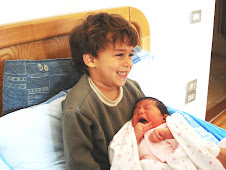
Dido & Jumi!
(Mamdouh With Baby Sister Jamila)

Jamila 2 months old, Mamdouh 3 years old
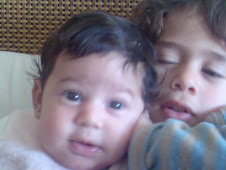
Jamila 2 months old, Mamdouh 3 years old
Feb. 2008

Jamila & Mamdouh, Feb. '08
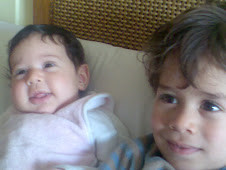
Jamila & Mamdouh, Feb. '08
Nadine's babies; 2 months old, and 3 years old.

Jumi and Dido, Feb. 2008
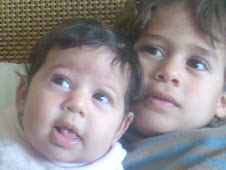
Jumi and Dido, Feb. 2008

Jumi March 2008
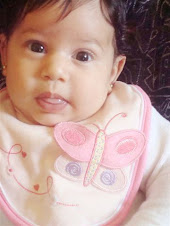
Jumi March 2008
Jumi, 3 months old!

Jamila March 2008
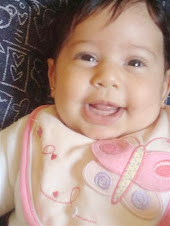
Jamila March 2008

Jamila

Jamila
Jumi, March 2008

Jumi, May 2008

Jumi, May 2008

Dido, May 2008

Dido, May 2008

Jamila & Farouk July 2008
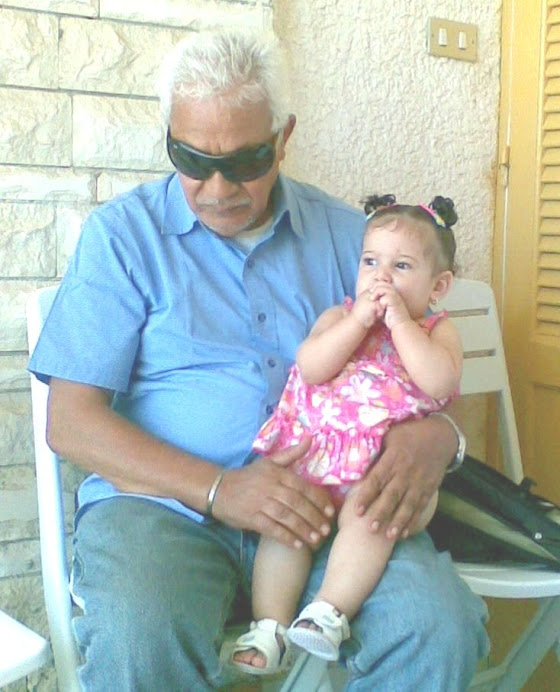
Jamila & Farouk July 2008
Sahel El-Shemally beach

Farouk & Jamila, July 2008
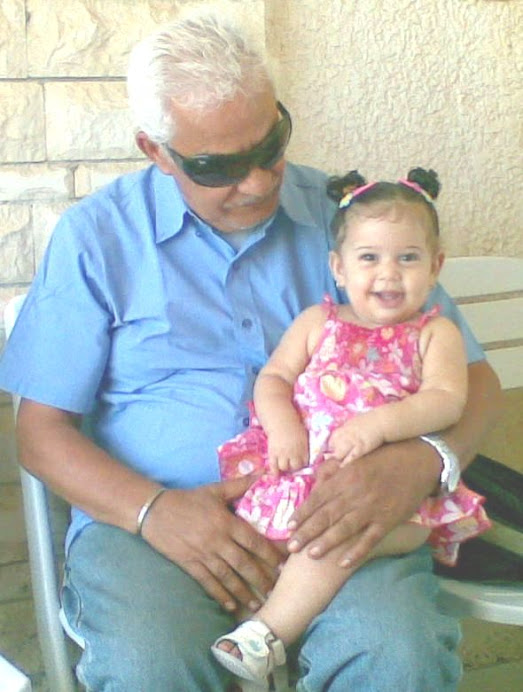
Farouk & Jamila, July 2008
At the North Coast

Farouk & Jumi, July 2008
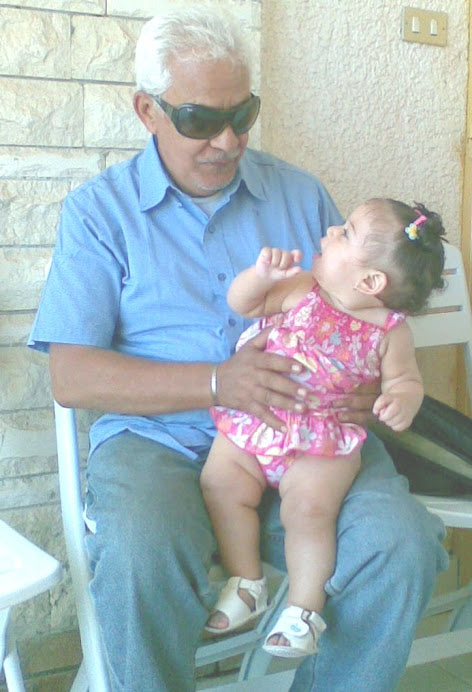
Farouk & Jumi, July 2008
In 'sahel el-shemally'

Jumi & Grandpa Farouk!
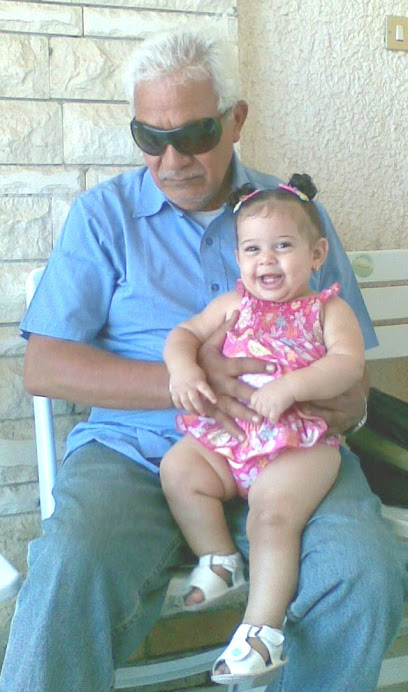
Jumi & Grandpa Farouk!

Jumi - 2009

Jumi - 2009
Jamila in Ein El-Sokhna


F R I E N D S !
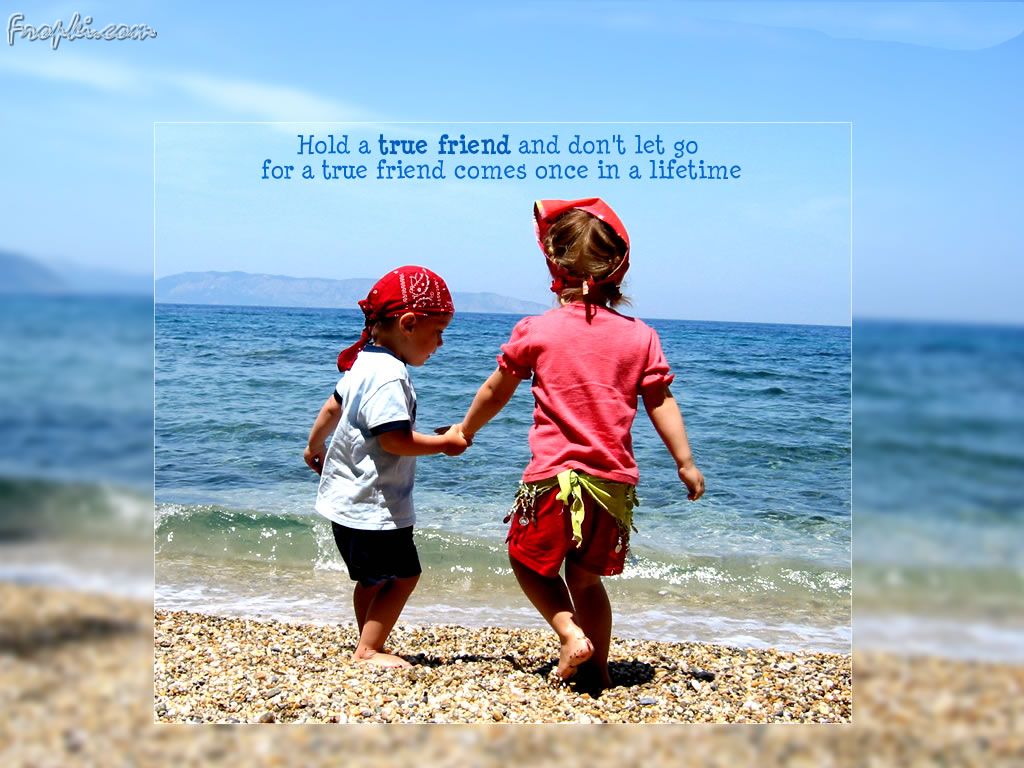
F R I E N D S !

Giovanna e Angiolino

Vincent & Christian

Vincent & Christian
Italian baby twins!

Renata with Vincent & Christian 2007
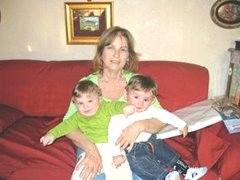
Renata with Vincent & Christian 2007

Christian 2008

Christian 2008
One of Renata's twin grandsons!

Vincent 2008
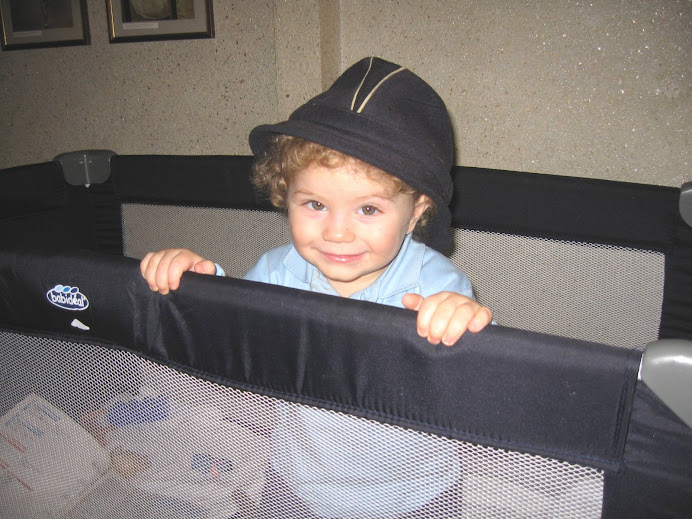
Vincent 2008
The other grandson of Renata's...Christian's twin brother!


Evolution of Dance!

Hits Counter

Jumi and Dido Xmas 2010

Jumi and Dido Xmas 2010

Jamila Xmas 2010

Jamila Xmas 2010

Stella Xmas 2010

Stella Xmas 2010

Fedeehat Fatso!

Hits Counter