New President of Egypt

New President of Egypt
Abdel-Fattah El-Sisi, 8 June 2014

New Hope for Egypt!

New Hope for Egypt!
8 June 2014

Grandma Monirah El-Ghayaty passed away...23 Dec. 2011

Grandma Monirah El-Ghayaty passed away...23 Dec. 2011
My Beloved Mama...Miss you.

Beyoncé “Halo”

Aunty Cookie

Aunty Cookie
Hoda Nassef's Children's Blog


DEERS!

DEERS!
July 2011

Funny Animation!

The Lion Sleeps Tonite

You Sexy Thing!


Tom and Jerry ("Kitty Foiled")


2 Funny Babies!

Baby Making a Speech!


JULY-AUGUST EVENTS!

JULY-AUGUST EVENTS!

Barcelona, Spain

Barcelona, Spain

Rome, Italy

Rome, Italy

Ramadan Kareem!

Ramadan Kareem!
August 2011


JULY-AUGUST BIRTHDAYS!

JULY-AUGUST  BIRTHDAYS!

Nariman's 5th Birthday

Nariman's 5th Birthday
31 July 2011

Engy, Hany's birthdays

Engy, Hany's birthdays
6, 8 August

Cheers!

Cheers!

We like to giggle a lot!

We like to giggle a lot!
What makes you laugh?

SOUVENIRS

SOUVENIRS
Angels in Heaven

Nagat and Mona (3 years old cousins)

Nagat and Mona (3 years old cousins)
Mona went to Heaven at 19, and Nagat at 36.

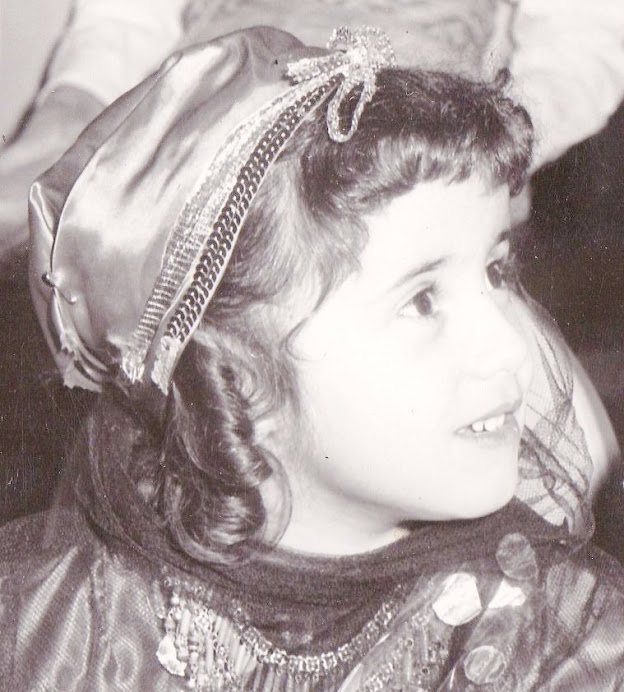
Me! Four years old :)

Me!  Four years old :)

Mona and I; 6 and 4 years old.

Mona and I; 6 and 4 years old.
Egyptian Embassy in the USA

Human Robot!


First Steps to Reading!

First Steps to Reading!


Read About Good Fairies and Bad Fairies!

Read About Good Fairies and Bad Fairies!
Find out more in Snow White!

Cinderella & her Prince Charming!

Cinderella & her Prince Charming!

Read Classic Fairytales!

Read Classic Fairytales!

Read Arabian Classic Stories Too!

Read Arabian Classic Stories Too!
Like Goha, Aladin, and so forth.

Watch the Show!

Watch the Show!


START HERE!

START  HERE!
Showing posts with label Family. Show all posts

Sunday, September 27, 2009

Mama's Hands


Mama, some ninety plus years, sat feebly on the patio bench.


She didn't move, just sat with her head down staring at her hands.


When I sat down beside her she didn't acknowledge my presence and the longer I sat I wondered if she was OK.


Finally, not really wanting to disturb her but wanting to check on her at the same time, I asked her if she was OK.


She raised her head and looked at me and smiled.


"Yes, I'm fine, thank you for asking," she said in a clear strong voice.


"I didn't mean to disturb you, Mama, but you were just sitting here staring at your hands and I wanted to make sure you were OK," I explained to her. "Have you ever looked at your hands," she asked.


"I mean really looked at your hands?" I slowly opened my hands and stared down at them.


I turned them over, palms up and then palms down.


No, I guess I had never really looked at my hands as I tried to figure out the point she was making.


Mama smiled and related this story: "Stop and think for a moment about the hands you have, how they have served you well throughout your years..."


These hands, though wrinkled shriveled and weak have been the tools I have used all my life to reach out and grab and embrace life.


They braced and caught my fall when as a toddler I crashed upon the floor.


They put food in my mouth and clothes on my back.


As a child, my mother taught me to fold them in prayer.


They tied my shoes and pulled on my boots.


They held my husband and wiped my tears when he went off to war.


They have been dirty, scraped and raw, swollen and bent.


They were uneasy and clumsy when I tried to hold my newborn son.


Decorated with my wedding band they showed the world that I was married and loved someone special.


They wrote my letters to him and trembled and shook when I buried my parents and spouse.


They have held my children and grandchildren, consoled neighbors, and shook in fists of anger when I didn't understand.


They have covered my face, combed my hair, and washed and cleansed the rest of my body.


They have been sticky and wet, bent and broken, dried and raw.


And to this day when not much of anything else of me works real well these hands hold me up, lay me down, and again continue to fold in prayer.


"These hands are the mark of where I've been and the ruggedness of life. But more importantly it will be these hands that God will reach out and take when he leads me home," Mama said.


And with my hands He will lift me to His side and there I will use these hands to touch the face of GOD. I will never look at my hands the same again.


But I remember God reached out and took my Mama's hands and led her home. When my hands are hurt or sore or when I stroke the face of my children and husband I think of Mama.


I know she has been stroked and caressed and held by the hands of God. I, too, want to touch the face of God and feel His hands upon my face. When you read this, say a prayer for your own mama, and watch God's answer to prayer work in your life.


Let's all continue praying for one another.

Wednesday, April 22, 2009

What Miracles are Made Of!


A little girl went to her bedroom and pulled a glass jelly jar from its hiding place in the closet. She poured the change out on the floor and counted it carefully. Three times, even. The total had to be exactly perfect. No chance here for mistakes.


Carefully placing the coins back in the jar and twisting on the cap, she slipped out the back door and made her way 6 blocks to Rexall's Drug Store with the big red Indian Chief sign above the door.


She waited patiently for the pharmacist to give her some attention, but he was too busy at this moment. Tess twisted her feet to make a scuffing noise.


Nothing. She cleared her throat with the most disgusting sound she could muster. No good.


Finally, she took a quarter from her jar and banged it on the glass counter. That did it! 'And what do you want?' the pharmacist asked in an annoyed tone of voice.


I'm talking to my brother from Chicago whom I haven't seen in ages,' he said without waiting for a reply to his question.


'Well, I want to talk to you about my brother,' Tess answered back in the same annoyed tone.


'He's really, really sick...and I want to buy a miracle.'


'I beg your pardon?' said the pharmacist.


'His name is Andrew and he has something bad growing inside his head and my Daddy says only a miracle can save him now. So, how much does a miracle cost?'


'We don't sell miracles here, little girl. I'm sorry but I can't help you,' the pharmacist said, softening a little.


'Listen, I have the money to pay for it! If it isn't enough, I will get the rest. Just tell me how much it costs.'


The pharmacist's brother was a well dressed man. He stooped down and asked the little girl, 'What kind of a miracle does your brother need?'


'I don't know,' Tess replied with her eyes welling up. 'I just know he's really sick and Mommy says he needs an operation. But my Daddy can't pay for it, so I want to use my money.'


'How much do you have?' asked the man from Chicago. 'One dollar and eleven cents,' Tess answered barely audibly. 'And it's all the money I have, but I can get some more if I need to.'


'Well, what a coincidence,' smiled the man. 'A dollar and eleven cents---the exact price of a miracle for little brothers.'


He took her money in one hand and with the other hand he grasped her mitten and said 'Take me to where you live. I want to see your brother and meet your parents. Let's see if I have the miracle you need.'


That well dressed man was Dr. Carlton Armstrong, a surgeon, specializing in neurosurgery.


The operation was completed free of charge and it wasn't long until Andrew was home again and doing well. Mom and Dad were happily talking about the chain of events that had led them to this place.


'That surgery,' her Mom whispered. 'was a real miracle. I wonder how much it would have cost?'


Tess smiled. She knew exactly how much a miracle cost...one dollar and eleven cents....plus the faith of a little child.


In our lives, we never know how many miracles we will need. A miracle is not the suspension of natural law, but the operation of a higher law.


I know you'll keep the ball moving! A ball is a circle, no beginning, no end.


It keeps us together like our Circle of Friends.


But the treasure inside for you to see is the treasure of friendship. Today I pass the friendship ball to you. Pass it on to someone who is a friend to you.


MAKE THIS OATH WITH ME:


When you are sad.....
I will dry your tears.


When you are scared.....
I will comfort your fears.


When you are worried.....
I will give you hope.


When you are confused.....
I will help you cope.


And when you are lost....
And can't see the light,
I shall be your beacon....
Shining ever so bright.


This is my oath.....
I pledge till the end..


Why you may ask?
Because you're my friend.


In conclusion, this is a small reminder to see all the ways you can stay connected to friends and family.

Wednesday, March 4, 2009

An Inspiring Touching Story


AN INSPIRING STORY

A man came home from work late, tired and irritated, to find his 5-year old son waiting for him at the door.
SON: 'Daddy, may I ask you a question?'


DAD: 'Yeah sure, what is it?' replied the man.


SON: 'Daddy, how much do you make an hour?'


DAD: 'That's none of your business. Why do you ask such a thing?' the man said angrily.


SON: 'I just want to know. Please tell me, how much do you make an hour?'


DAD: 'If you must know, I make $20 an hour.'
'Oh,' the little boy replied, with his head down. Looking up, he said, 'Daddy, may I please borrow $10?'
The father was furious, 'If the only reason you asked that is so you can borrow some money to buy a silly toy or some other nonsense, then you march yourself straight to your room and go to bed. Think about why you are being so selfish. I work hard every day for such childish behavior.'

The little boy quietly went to his room and shut the door. The man sat down and started to get even angrier about the little boy's questions.
How dare he ask such questions only to get some money? After about an hour or so, the man had calmed down, and started to think: Maybe there was something he really needed to buy with that $10 and he really didn't ask for money very often.

The man went to the door of the little boy's room and opened the door.

'Are you asleep, son?' He asked.

'No daddy, I'm awake,' replied the boy.

'I've been thinking, maybe I was too hard on you earlier,' said the man.
'It's been a long day and I took out my aggravation on you. Here's the $10 you asked for.'

The little boy sat straight up, smiling.

'Oh, thank you daddy!' He yelled.

Then, reaching under his pillow he pulled out some crumpled up bills.

The man, seeing that the boy already had money, started to get angry again.
The little boy slowly counted out his money, and then looked up at his father.

'Why do you want more money if you already have some?' the father grumbled.

'Because I didn't have enough, but now I do,' the little boy replied.
'Daddy, I have $20 now. Can I buy an hour of your time? Please come home early tomorrow. I would like to have dinner with you.

Tuesday, January 6, 2009

The Magic Bonbons


THE MAGIC BONBONS

There lived in Boston a wise and ancient chemist by the name of Dr. Daws, who dabbled somewhat in magic.

There also lived in Boston a young lady by the name of Claribel Sudds, who was possessed of much money, little wit and an intense desire to go upon the stage.

So Claribel went to Dr. Daws and said: "I can neither sing nor dance; I cannot recite verse nor play upon the piano; I am no acrobat nor leaper nor high kicker; yet I wish to go upon the stage. What shall I do?"

"Are you willing to pay for such accomplishments?" asked the wise chemist.

"Certainly," answered Claribel, jingling her purse.

"Then come to me to-morrow at two o'clock," said he. All that night he practiced what is known as chemical sorcery; so that when Claribel Sudds came next day at two o'clock he showed her a small box filled with compounds that closely resembled French bonbons.

"This is a progressive age," said the old man, "and I flatter myself your Uncle Daws keeps right along with the procession. Now, one of your old-fashioned sorcerers would have made you some nasty, bitter pills to swallow; but I have consulted your taste and convenience.

Here are some magic bonbons. If you eat this one with the lavender color you can dance thereafter as lightly and gracefully as if you had been trained a lifetime.

After you consume the pink confection you will sing like a nightingale. Eating the white one will enable you to become the finest elocutionist in the land. The chocolate piece will charm you into playing the piano better than Rubenstein, while after eating you lemon-yellow bonbon you can easily kick six feet above your head."

"How delightful!" exclaimed Claribel, who was truly enraptured.

"You are certainly a most clever sorcerer as well as a considerate compounder," and she held out her hand for the box.

"Ahem!" said the wise one; "a check, please."

"Oh, yes; to be sure! How stupid of me to forget it," she returned.

He considerately retained the box in his own hand while she signed a check for a large amount of money, after which he allowed her to hold the box herself.

"Are you sure you have made them strong enough?" she inquired, anxiously; "it usually takes a great deal to affect me."

"My only fear," replied Dr. Daws, "is that I have made them too strong. For this is the first time I have ever been called upon to prepare these wonderful confections."

"Don't worry," said Claribel; "the stronger they act the better I shall act myself."

She went away, after saying this, but stopping in at a dry goods store to shop, she forgot the precious box in her new interest and left it lying on the ribbon counter.

Then little Bessie Bostwick came to the counter to buy a hair ribbon and laid her parcels beside the box. When she went away she gathered up the box with her other bundles and trotted off home with it. Bessie never knew, until after she had hung her coat in the hall closet and counted up her parcels, that she had one too many.

Then she opened it and exclaimed: "Why, it's a box of candy! Someone must have mislaid it. But it is too small a matter to worry about; there are only a few pieces."

So she dumped the contents of the box into a bonbon dish that stood upon the hall table and picking out the chocolate piece--she was fond of chocolates--ate it daintily while she examined her purchases. These were not many, for Bessie was only twelve years old and was not yet trusted by her parents to expend much money at the stores. But while she tried on the hair ribbon she suddenly felt a great desire to play upon the piano, and the desire at last became so overpowering that she went into the parlor and opened the instrument.

The little girl had, with infinite pains, contrived to learn two "pieces" which she usually executed with a jerky movement of her right hand and a left hand that forgot to keep up and so made dreadful discords. But under the influence of the chocolate bonbon she sat down and ran her fingers lightly over the keys producing such exquisite harmony that she was filled with amazement at her own performance. That was the prelude, however.

The next moment she dashed into Beethoven's seventh sonata and played it magnificently. Her mother, hearing the unusual burst of melody, came downstairs to see what musical guest had arrived; but when she discovered it was her own little daughter who was playing so divinely she had an attack of palpitation of the heart (to which she was subject) and sat down upon a sofa until it should pass away.

Meanwhile Bessie played one piece after another with untiring energy. She loved music, and now found that all she need do was to sit at the piano and listen and watch her hands twinkle over the keyboard. Twilight deepened in the room and Bessie's father came home and hung up his hat and overcoat and placed his umbrella in the rack. Then he peeped into the parlor to see who was playing.

"Great Caesar!" he exclaimed. But the mother came to him softly with her finger on her lips and whispered: "Don't interrupt her, John. Our child seems to be in a trance. Did you ever hear such superb music?"

"Why, she's an infant prodigy!" gasped the astounded father.

"Beats Blind Tom all hollow! It's--it's wonderful!"

As they stood listening the senator arrived, having been invited to dine with them that evening. And before he had taken off his coat the Yale professor--a man of deep learning and scholarly attainments--joined the party.

Bessie played on; and the four elders stood in a huddled but silent and amazed group, listening to the music and waiting for the sound of the dinner gong.

Mr. Bostwick, who was hungry, picked up the bonbon dish that lay on the table beside him and ate the pink confection. The professor was watching him, so Mr. Bostwick courteously held the dish toward him.

The professor ate the lemon-yellow piece and the senator reached out his hand and took the lavender piece. He did not eat it, however, for, chancing to remember that it might spoil his dinner, he put it in his vest pocket.

Mrs. Bostwick, still intently listening to her precocious daughter, without thinking what she did, took the remaining piece, which was the white one, and slowly devoured it.

The dish was now empty, and Claribel Sudds' precious bonbons had passed from her possession forever!

Suddenly Mr. Bostwick, who was a big man, began to sing in a shrill, tremolo soprano voice. It was not the same song Bessie was playing, and the discord was shocking that the professor smiled, the senator put his hands to his ears and Mrs.

Bostwick cried in a horrified voice: "William!" Her husband continued to sing as if endeavoring to emulate the famous Christine Nillson, and paid no attention whatever to his wife or his guests. Fortunately the dinner gong now sounded, and Mrs. Bostwick dragged Bessie from the piano and ushered her guests into the dining-room. Mr. Bostwick followed, singing "The Last Rose of Summer" as if it had been an encore demanded by a thousand delighted hearers.

The poor woman was in despair at witnessing her husband's undignified actions and wondered what she might do to control him. The professor seemed more grave than usual; the senator's face wore an offended expression, and Bessie kept moving her fingers as if she still wanted to play the piano.

Mrs. Bostwick managed to get them all seated, although her husband had broken into another aria; and then the maid brought in the soup. When she carried a plate to the professor, he cried, in an excited voice: "Hold it higher! Higher--I say!"

And springing up he gave it a sudden kick that sent it nearly to the ceiling, from whence the dish descended to scatter soup over Bessie and the maid and to smash in pieces upon the crown of the professor's bald head. At this atrocious act the senator rose from his seat with an exclamation of horror and glanced at his hostess.

For some time Mrs. Bostwick had been staring straight ahead, with a dazed expression; but now, catching the senator's eye, she bowed gracefully and began reciting "The Charge of the Light Brigade" in forceful tones.

The senator shuddered. Such disgraceful rioting he had never seen nor heard before in a decent private family. He felt that his reputation was at stake, and, being the only sane person, apparently, in the room, there was no one to whom he might appeal. The maid had run away to cry hysterically in the kitchen; Mr. Bostwick was singing "O Promise Me;" the professor was trying to kick the globes off the chandelier; Mrs. Bostwick had switched her recitation to "The Boy Stood on the Burning Deck," and Bessie had stolen into the parlor and was pounding out the overture from the "Flying Dutchman."

The senator was not at all sure he would not go crazy himself, presently; so he slipped away from the turmoil, and, catching up his had and coat in the hall, hurried from the house.

That night he sat up late writing a political speech he was to deliver the next afternoon at Faneuil hall, but his experiences at the Bostwicks' had so unnerved him that he could scarcely collect his thoughts, and often he would pause and shake his head pityingly as he remembered the strange things he had seen in that usually respectable home.

The next day he met Mr. Bostwick in the street, but passed him by with a stony glare of oblivion. He felt he really could not afford to know this gentleman in the future. Mr. Bostwick was naturally indignant at the direct snub; yet in his mind lingered a faint memory of some quite unusual occurrences at his dinner party the evening before, and he hardly knew whether he dared resent the senator's treatment or not.

The political meeting was the feature of the day, for the senator's eloquence was well known in Boston. So the big hall was crowded with people, and in one of the front rows sat the Bostwick family, with the learned Yale professor beside them.

They all looked tired and pale, as if they had passed a rather dissipated evening, and the senator was rendered so nervous by seeing them that he refused to look in their direction a second time. While the mayor was introducing him the great man sat fidgeting in his chair; and, happening to put his thumb and finger into his vest pocket, he found the lavender-colored bonbon he had placed there the evening before.

"This may clear my throat," thought the senator, and slipped the bonbon into his mouth. A few minutes afterwards he arose before the vast audience, which greeted him with enthusiastic plaudits.

"My friends," began the senator, in a grave voice, "this is a most impressive and important occasion."

Then he paused, balanced himself upon his left foot, and kicked his right leg into the air in the way favored by ballet-dancers! There was a hum of amazement and horror from the spectators, but the senator appeared not to notice it. He whirled around upon the tips of his toes, kicked right and left in a graceful manner, and startled a bald-headed man in the front row by casting a languishing glance in his direction.

Suddenly Claribel Sudds, who happened to be present, uttered a scream and sprang to her feet. Pointing an accusing finger at the dancing senator, she cried in a loud voice: "That's the man who stole my bonbons! Seize him! Arrest him! Don't let him escape!"

But the ushers rushed her out of the hall, thinking she had gone suddenly insane; and the senator's friends seized him firmly and carried him out the stage entrance to the street, where they put him into an open carriage and instructed the driver to take him home.

The effect of the magic bonbon was still powerful enough to control the poor senator, who stood upon the rear seat of the carriage and danced energetically all the way home, to the delight of the crowd of small boys who followed the carriage and the grief of the sober-minded citizens, who shook their heads sadly and whispered that "another good man had gone wrong."

It took the senator several months to recover from the shame and humiliation of this escapade; and, curiously enough, he never had the slightest idea what had induced him to act in so extraordinary a manner.

Perhaps it was fortunate the last bonbon had now been eaten, for they might easily have caused considerably more trouble than they did. Of course Claribel went again to the wise chemist and signed a check for another box of magic bonbons; but she must have taken better care of these, for she is now a famous vaudeville actress.

* * * * *


This story should teach us the folly of condemning others for actions that we do not understand, for we never know what may happen to ourselves. It may also serve as a hint to be careful about leaving parcels in public places, and, incidentally, to let other people's packages severely alone.

Friday, December 12, 2008

The Capture of Father Time


The CAPTURE of FATHER TIME
Jim was the son of a cowboy, and lived on the broad plains of Arizona.

His father had trained him to lasso a bronco or a young bull with perfect accuracy, and had Jim possessed the strength to back up his skill he would have been as good a cowboy as any in all Arizona. When he was twelve years old he made his first visit to the east, where Uncle Charles, his father's brother, lived. Of course Jim took his lasso with him, for he was proud of his skill in casting it, and wanted to show his cousins what a cowboy could do.

At first the city boys and girls were much interested in watching Jim lasso posts and fence pickets, but they soon tired of it, and even Jim decided it was not the right sort of sport for cities.

But one day the butcher asked Jim to ride one of his horses into the country, to a pasture that had been engaged, and Jim eagerly consented. He had been longing for a horseback ride, and to make it seem like old times he took his lasso with him.
He rode through the streets demurely enough, but on reaching the open country roads his spirits broke forth into wild jubilation, and, urging the butcher's horse to full gallop, he dashed away in true cowboy fashion.
Then he wanted still more liberty, and letting down the bars that led into a big field he began riding over the meadow and throwing his lasso at imaginary cattle, while he yelled and whooped to his heart's content.

Suddenly, on making a long cast with his lasso, the loop caught upon something and rested about three feet from the ground, while the rope drew taut and nearly pulled Jim from his horse.
This was unexpected. More than that, it was wonderful; for the field seemed bare of even a stump. Jim's eyes grew big with amazement, but he knew he had caught something when a voice cried out: "Here, let go! Let go, I say! Can't you see what you've done?"

No, Jim couldn't see, nor did he intend to let go until he found out what was holding the loop of the lasso. So he resorted to an old trick his father had taught him and, putting the butcher's horse to a run, began riding in a circle around the spot where his lasso had caught.

As he thus drew nearer and nearer his quarry he saw the rope coil up, yet it looked to be coiling over nothing but air. One end of the lasso was made fast to a ring in the saddle, and when the rope was almost wound up and the horse began to pull away and snort with fear, Jim dismounted.
Holding the reins of the bridle in one hand, he followed the rope, and an instant later saw an old man caught fast in the coils of the lasso.

His head was bald and uncovered, but long white whiskers grew down to his waist.

About his body was thrown a loose robe of fine white linen. In one hand he bore a great scythe, and beneath the other arm he carried an hourglass.
While Jim gazed wonderingly upon him, this venerable old man spoke in an angry voice: "Now, then--get that rope off as fast as you can! You've brought everything on earth to a standstill by your foolishness! Well--what are you staring at? Don't you know who I am?"
"No," said Jim, stupidly.
"Well, I'm Time--Father Time! Now, make haste and set me free--if you want the world to run properly."
"How did I happen to catch you?" asked Jim, without making a move to release his captive.
"I don't know. I've never been caught before," growled Father Time. "But I suppose it was because you were foolishly throwing your lasso at nothing."

"I didn't see you," said Jim.

"Of course you didn't. I'm invisible to the eyes of human beings unless they get within three feet of me, and I take care to keep more than that distance away from them. That's why I was crossing this field, where I supposed no one would be. And I should have been perfectly safe had it not been for your beastly lasso.
Now, then," he added, crossly, "are you going to get that rope off?"
"Why should I?" asked Jim.
"Because everything in the world stopped moving the moment you caught me. I don't suppose you want to make an end of all business and pleasure, and war and love, and misery and ambition and everything else, do you? Not a watch has ticked since you tied me up here like a mummy!"

Jim laughed. It really was funny to see the old man wound round and round with coils of rope from his knees up to his chin.
"It'll do you good to rest," said the boy. "From all I've heard you lead a rather busy life."
"Indeed I do," replied Father Time, with a sigh. "I'm due in Kamchatka this very minute. And to think one small boy is upsetting all my regular habits!"

"Too bad!" said Jim, with a grin. "But since the world has stopped anyhow, it won't matter if it takes a little longer recess. As soon as I let you go Time will fly again.
Where are your wings?"
"I haven't any," answered the old man. "That is a story cooked up by some one who never saw me. As a matter of fact, I move rather slowly."
"I see, you take your time," remarked the boy. "What do you use that scythe for?"

"To mow down the people," said the ancient one.
"Every time I swing my scythe some one dies."
"Then I ought to win a life-saving medal by keeping you tied up," said Jim. "Some folks will live this much longer."
"But they won't know it," said Father Time, with a sad smile; "so it will do them no good. You may as well untie me at once."

"No," said Jim, with a determined air. "I may never capture you again; so I'll hold you for awhile and see how the world wags without you."
Then he swung the old man, bound as he was, upon the back of the butcher's horse, and, getting into the saddle himself, started back toward town, one hand holding his prisoner and the other guiding the reins.

When he reached the road his eye fell on a strange tableau. A horse and buggy stood in the middle of the road, the horse in the act of trotting, with his head held high and two legs in the air, but perfectly motionless.
In the buggy a man and a woman were seated; but had they been turned into stone they could not have been more still and stiff.
"There's no Time for them!" sighed the old man.
"Won't you let me go now?"

"Not yet," replied the boy. He rode on until he reached the city, where all the people stood in exactly the same positions they were in when Jim lassoed Father Time.

Stopping in front of a big dry goods store, the boy hitched his horse and went in. The clerks were measuring out goods and showing patterns to the rows of customers in front of them, but everyone seemed suddenly to have become a statue. There was something very unpleasant in this scene, and a cold shiver began to run up and down Jim's back; so he hurried out again.

On the edge of the sidewalk sat a poor, crippled beggar, holding out his hat, and beside him stood a prosperous-looking gentleman who was about to drop a penny into the beggar's hat.
Jim knew this gentleman to be very rich but rather stingy, so he ventured to run his hand into the man's pocket and take out his purse, in which was a $20 gold piece. This glittering coin he put in the gentleman's fingers instead of the penny and then restored the purse to the rich man's pocket.

"That donation will surprise him when he comes to life," thought the boy.

He mounted the horse again and rode up the street. As he passed the shop of his friend, the butcher, he noticed several pieces of meat hanging outside. "I'm afraid that meat'll spoil," he remarked.

"It takes Time to spoil meat," answered the old man.
This struck Jim as being queer, but true. "It seems Time meddles with everything," said he.

"Yes; you've made a prisoner of the most important personage in the world," groaned the old man; "and you haven't enough sense to let him go again."
Jim did not reply, and soon they came to his uncle's house, where he again dismounted. The street was filled with teams and people, but all were motionless.

His two little cousins were just coming out the gate on their way to school, with their books and slates underneath their arms; so Jim had to jump over the fence to avoid knocking them down.
In the front room sat his aunt, reading her Bible. She was just turning a page when Time stopped. In the dining-room was his uncle, finishing his luncheon. His mouth was open and his fork poised just before it, while his eyes were fixed upon the newspaper folded beside him. Jim helped himself to his uncle's pie, and while he ate it he walked out to his prisoner.

"There's one thing I don't understand," said he.

"What's that?" asked Father Time.

"Why is it that I'm able to move around while everyone else is--is--froze up?"
"That is because I'm your prisoner," answered the other. "You can do anything you wish with Time now. But unless you are careful you'll do something you will be sorry for."

Jim threw the crust of his pie at a bird that was suspended in the air, where it had been flying when Time stopped.

"Anyway," he laughed, "I'm living longer than anyone else. No one will ever be able to catch up with me again."
"Each life has its allotted span," said the old man. "When you have lived your proper time my scythe will mow you down."

"I forgot your scythe," said Jim, thoughtfully. Then a spirit of mischief came into the boy's head, for he happened to think that the present opportunity to have fun would never occur again. He tied Father Time to his uncle's hitching post, that he might not escape, and then crossed the road to the corner grocery.

The grocer had scolded Jim that very morning for stepping into a basket of turnips by accident. So the boy went to the back end of the grocery and turned on the faucet of the molasses barrel.
"That'll make a nice mess when Time starts the molasses running all over the floor," said Jim, with a laugh. A little further down the street was a barber shop, and sitting in the barber's chair Jim saw the man that all the boys declared was the "meanest man in town."
He certainly did not like the boys and the boys knew it. The barber was in the act of shampooing this person when Time was captured. Jim ran to the drug store, and, getting a bottle of mucilage, he returned and poured it over the ruffled hair of the unpopular citizen.
"That'll probably surprise him when he wakes up," thought Jim.

Near by was the schoolhouse. Jim entered it and found that only a few of the pupils were assembled. But the teacher sat at his desk, stern and frowning as usual.
Taking a piece of chalk, Jim marked upon the blackboard in big letters the following words: "Every scholar is requested to yell the minute he enters the room. He will also please throw his books at the teacher's head. Signed, Prof. Sharpe."
"That ought to raise a nice rumpus," murmured the mischief-maker, as he walked away. On the corner stood Policeman Mulligan, talking with old Miss Scrapple, the worst gossip in town, who always delighted in saying something disagreeable about her neighbors.
Jim thought this opportunity was too good to lose. So he took off the policeman's cap and brass-buttoned coat and put them on Miss Scrapple, while the lady's feathered and ribboned hat he placed jauntily upon the policeman's head.
The effect was so comical that the boy laughed aloud, and as a good many people were standing near the corner Jim decided that Miss Scrapple and Officer Mulligan would create a sensation when Time started upon his travels.
Then the young cowboy remembered his prisoner, and, walking back to the hitching post, he came within three feet of it and saw Father Time still standing patiently within the toils of the lasso. He looked angry and annoyed, however, and growled out:
"Well, when do you intend to release me?"
"I've been thinking about that ugly scythe of yours," said Jim.
"What about it?" asked Father Time.

"Perhaps if I let you go you'll swing it at me the first thing, to be revenged," replied the boy.
Father Time gave him a severe look, but said:
"I've known boys for thousands of years, and of course I know they're mischievous and reckless. But I like boys, because they grow up to be men and people my world. Now, if a man had caught me by accident, as you did, I could have scared him into letting me go instantly; but boys are harder to scare. I don't know as I blame you. I was a boy myself, long ago, when the world was new. But surely you've had enough fun with me by this time, and now I hope you'll show the respect that is due to old age. Let me go, and in return I will promise to forget all about my capture. The incident won't do much harm, anyway, for no one will ever know that Time has halted the last three hours or so."

"All right," said Jim, cheerfully, "since you've promised not to mow me down, I'll let you go." But he had a notion some people in the town would suspect Time had stopped when they returned to life.

He carefully unwound the rope from the old man, who, when he was free, at once shouldered his scythe, rearranged his white robe and nodded farewell. The next moment he had disappeared, and with a rustle and rumble and roar of activity the world came to life again and jogged along as it always had before.
Jim wound up his lasso, mounted the butcher's horse and rode slowly down the street. Loud screams came from the corner, where a great crowd of people quickly assembled.
From his seat on the horse Jim saw Miss Scrapple, attired in the policeman's uniform, angrily shaking her fists in Mulligan's face, while the officer was furiously stamping upon the lady's hat, which he had torn from his own head amidst the jeers of the crowd.
As he rode past the schoolhouse he heard a tremendous chorus of yells, and knew Prof. Sharpe was having a hard time to quell the riot caused by the sign on the blackboard.
Through the window of the barber shop he saw the "mean man" frantically belaboring the barber with a hair brush, while his hair stood up stiff as bayonets in all directions. And the grocer ran out of his door and yelled "Fire!" while his shoes left a track of molasses wherever he stepped. Jim's heart was filled with joy.
He was fairly reveling in the excitement he had caused when some one caught his leg and pulled him from the horse.

"What're ye doin' hear, ye rascal?" cried the butcher, angrily; "didn't ye promise to put that beast inter Plympton's pasture? An' now I find ye ridin' the poor nag around like a gentleman o' leisure!"
"That's a fact," said Jim, with surprise; "I clean forgot about the horse!"

* * * * *

This story should teach us the supreme importance of Time and the folly of trying to stop it. For should you succeed, as Jim did, in bringing Time to a standstill, the world would soon become a dreary place and life decidedly unpleasant.


:)

The Tale of The Wooden Bowl


The Tale of the Wooden Bowl

I guarantee you will remember the tale of the Wooden Bowl tomorrow, a week from now, a month from now, a year from now.

A frail old man went to live with his son, daughter-in-law, and four-year-old grandson. The old man's hands trembled, his eyesight was blurred, and his step faltered. The family ate together at the table.

But the elderly grandfather's shaky hands and failing sight made eating difficult. Peas rolled off his spoon onto the floor. When he grasped the glass, milk spilled on the tablecloth. The son and daughter-in-law became irritated with the mess. 'We must do something about father,' said the son. 'I've had enough of his spilled milk, noisy eating, and food on the floor.'
So the husband and wife set a small table in the corner. There, Grandfather ate alone while the rest of the family enjoyed dinner. Since Grandfather had broken a dish or two, his food was served in a wooden bowl.

When the family glanced in Grandfather's direction, sometimes he had a tear in his eye as he sat alone. Still, the only words the couple had for him were sharp admonitions when he dropped a fork or spilled food. The four-year-old watched it all in silence.

One evening before supper, the father noticed his son playing with wood scraps on the floor. He asked the child sweetly, 'What are you making?' Just as sweetly, the boy responded, 'Oh, I am making a little bowl for you and Mama to eat your food in when I grow up.' The four-year-old smiled and went back to work.

The words so struck the parents so that they were speechless. Then tears started to stream down their cheeks. Though no word was spoken, both knew what must be done.

That evening the husband took Grandfather's hand and gently led him back to the family table.

For the remainder of his days he ate every meal with the family. And for some reason, neither husband nor wife seemed to care any longer when a fork was dropped, milk spilled, or the tablecloth soiled.

On a positive note, I've learned that, no matter what happens, how bad it seems today, life does go on, and it will be better tomorrow.

I've learned that you can tell a lot about a person by the way he/she handles four things: a rainy day, the elderly, lost luggage, and tangled Christmas tree lights.

I've learned that, regardless of your relationship with your parents, you'll miss them when they're gone from your life.

I've learned that making a 'living' is not the same thing as making a 'life..'

I've learned that life sometimes gives you a second chance.

I've learned that you shouldn't go through life with a catcher's mitt on both hands. You need to be able to throw something back.

I've learned that if you pursue happiness, it will elude you. But, if you focus on your family, your friends, the needs of others, your work and doing the very best you can, happiness will find you

I've learned that whenever I decide something with an open heart, I usually make the right decision.

I've learned that even when I have pains, I don't have to be one.

I've learned that every day, you should reach out and touch someone. People love that human touch -- holding hands, a warm hug, or just a friendly pat on the back.

I've learned that I still have a lot to learn. I've learned that you should pass this on to everyone you care about. I just did.

I am not going to be the one who lets it die. I found it believable -- angels have walked beside me all my life--and they still do.

:)

The Parable of the Spoons

The Parable of The Spoons
(A Beautiful Story)


A holy man was having a conversation with the Lord one day and said, "Lord, I would like to know what Heaven and Hell are like. "The Lord led the holy man to two doors.

He opened one of the doors and the holy man looked in. In the middle of the room was a large round table.

In the middle of the table was a large pot of stew which smelled delicious and made the holy man's mouth water. The people sitting around the table were thin and sickly. They appeared to be famished. They were holding spoons with very long handles and each found it possible to reach into the pot of stew and take a spoonful, but because the handle was longer than their arms, they could not get the spoons back into their mouths..

The holy man shuddered at the sight of their misery and suffering. The Lord said, "You have seen Hell."

They went to the next room and opened the door. It was exactly the same as the first one. There was the large round table with the large pot of stew which made the holy man's mouth water. The people were equipped with the same long-handled spoons, but here the people were well nourished and plump, laughing and talking.

The holy man said, "I don't understand." It is simple" said the Lord, "it requires but one skill. You see, they have learned to feed each other. While the greedy think only of themselves.

:)

Friday, November 28, 2008

Shopping Spree for Children!


SHOPPING SPREE FOR CHILDREN!

Happy Eid & Merry Christmas!

As 2008 Eid El-Adha and Christmas are approaching - you may want to know what and where to shop for your children. Apart from shopping at the multiple new luxurious malls for all members of the family, including babies, children and teens, here are some shops for getting what you want to buy for your children, by Hoda Nassef:


· Facing Behlar Passage, Arafa & Dajani, has a large collection for newborns, children, and teenagers.
· Ades, at the beginning of Kasr El-Nil Street, after Talaat Harb Square, has a wide variety of children’s clothes for newborn babies up to clothes for teenagers; cribs, sheets, pillow cases, knit blankets, baby carriers & support sacks.
· After Ades and further down the street, on the right pavement and before the Ahly bank, there’s a children’s shoe shop, amongst other items for children.
· Chalons, in center of Kasr El-Nil Street, has baby carriages, cribs, good quality baby clothes, and an assortment of pregnant mother clothes for both veiled and unveiled mothers.
· Also, at Mexx in the Behlar Passage, and Naf Naf next door, you will find good quality brand baby clothes.
· Le Jour, 29 Kasr El-Nil Street, sells clothes for newborns; girls up to 12 years old, boys up to 8.
· Student and adult books could be found at the main branch of Shorouk bookshop, at 1 Talaat Harb Square.
· For rare books, rare maps, lithographs and picture frames, go to No. 15, L’Oriantaliste, found in a side street of Kasr El-Nil Street. There is also a branch at Nile Hilton Hotel’s annex.
· In Roxy, Helipolis, there at Royal House, you can find good brand food, such as Gerber’s and other foodstuff, as well as baby furniture, gifts and other items. They are continuously changing their great products to suit all tastes. Good gift corners too.
· If still in Heliopolis and searching for good brand clothes for gifts or your children, nearby at Nasr City you will find all that you need – or don’t need! – at City Stars – while at the same time you could take the children along and spend a whole day shopping, lunch and the movies.
· Girl’s gold earrings, bracelets, necklaces and trinkets, are sold in all the hotels’ jewellery shops, downtown in Abdel-Khalek Tharwat, Kasr El-Nil and Talaat Harb streets. Or, if you prefer silver, you will find some shops, right before and after Felfela’s restaurant and take-away food stores in Talaat Harb Street.
· As for toys, you can’t miss them, and they are sold everywhere, from gas station Mobil shops, to department stores, and the Ogueil chain stores!
· Finally, if you run out of money, but have credit cards, all the streets I just mentioned have at least a couple of banks to save the day!

Some Listings for Kids & Teens:

· Art and Design School: 7 Baghdad St., Korba, Heliopolis. Telephone: 24159752. Contact person: Dr Issac Azmy.
· Art Fun: 2 Hassan Aflatoun St., Ard Al-Golf, Heliopolis. Telephone: 24194611, 012-3472716.
· Bedaya Art School and Conservatory: 93 Farid Semika St, Al-Hegaz Sq., Heliopolis. Telephone: 26374233, Fax: 26328383.
· The Pottery Workshop: 216 Sudan St., Mohandessin. Telephone: 33473445, 33447032.
· Fanoon Art School: Saqqara road, Sabil Umm Hashim, approximately four kilometres after the turn off to Saqqara Country Club. Telephone: 010-1586715.
· Pharaonic Village: 3 Al-Bahr Al-Azam st., on the Corniche. Telephone: 25718675/6/7.
· The Educational Centre for Development of Artistic Talents: Cairo Opera House, Gezira Island, Telephone: 27370603. Ask for the centre or ask for Dr Ratiba El-Hefny.
· Maadi Music Centre: 38D Road 206, Digla, Maadi. Telephone: 25196917, 010-5194518.
· En Vogue Modelling School and Agency: 12 Omar Ibn Al-Khattab St., Ramo Buildings, second floor, Nasr City.Telephone: 24146875.Web site: www.envogueonline.com
· Inji Solh Dance and Fitness Centre: 1 Moussa Galal Square, Mohandessin, near Seoudi Supermarket. Telephone: 33461517.
· MOVE: (Wellness, Ballet and Fitness classes for all ages. Patronage by ballerina Nadine and 3 other ballerinas) 33, Hegaz St., Mohendessin. Tel.: 33444701, Mobile: 0101208802.
· Creative Dance and Fitness Centre (Samia Allouba):13b Road 254, Digla, Maadi. Telephone: 25196575, 6 Amr St., off Syria St., Mohandessin. Telephone: 23020572.Web site:
www.cdconline.com
· Fitness and Dance Academy: Nile Tower, 35 Abul-Feda, Zamalek. Telephone: 27377500.
· Smash Tennis Academy: Behind Novotel Airport Hotel. Working hours: from 9am to 4pm. For the summer school, call: 22670897/22670779/22670467.If you are only interested in arts and crafts, you can join the "Art Attack" programme. Contact person: Architect Ayman El-Kashty. Telephone: 22900164/ 012-2109217.
· Katamiyya Tennis Centre at Al-Shafie Ranch: New Cairo, off Katamiyya Road. Telephone: 27580805/27580516/17, Ext: 272, 273.
· Cairo American College: 1 Midan Digla St., Maadi. Telephone: 25196665.Web site:
www.cacegypt.org/summer
· Integrated Care Society-Culture Centre: 42 intersection of Thawra St., and Abdallah Deraz, Ard Al-Golf, Heliopolis. Telephone: 24172084/5/6/7/8. Working hours: 9.30am to 2.30pm. Web site:
www.ics.org.eg
· Swiss Club in Cairo: Villa Pax in 90, Gihad St., off Sudan St., Kit Kat, Imbaba. Telephone: 23142811 /23151455.
· Misr Al Gadida Library: 42 Al-Orouba St., Heliopolis. Telephone: 24158880. Fax: 24181618. Working hours: 9am to 9pm except Fridays.Web site: www.hsds.org.eg
· Greater Cairo Public Library: 15 Mohamed Mazhar St., Zamalek. Telephone: 27362271/27362278.Working hours: 9am to 5pm. Closed Fridays and Saturdays.
· Maadi Public Library: Al-Nasr St., New Maadi. Telephone: 22458457/22458457/23458457.Working Hours: 9am to 8pm except Mondays.
· Mubarak Public Library: 15 Tahawiya St., at the corner of Corniche Al-Nil and Tahawiya. Telephone: 23360291.Working hours: 11am to 7pm. Closed Tuesdays.
· British Council: Agouza Branch: 192a, Al-Nil St., Agouza. Telephone: 33031514/33476118.Heliopolis Branch: 4, Al-Minya St., off Nazih Khalifa St. Telephone: 24523395/7. Closed Fridays and Saturdays.Web site:
www.britishcouncil.org/eg
· International Language Institute (ILI): 2 Mohamed Bayoumi St., off Merghani St., Heliopolis. Telephone: 22919295/24189212.
· Centre Francais de Culture et de Cooperation: Mounira Branch: 1 Madrasat Al-Huqouq Al-Faransiyya. Telephone: 27947679/27941012.Heliopolis Branch: 27 Sabri Abu Alam St. Telephone: 24193857.

· RECOMMENDED WEB SITE
www.cairokids.comIt is probably the only Egyptian site that deals with kids health, culture, entertainment and education. A whole section is dedicated to kids’ outings and excursions.


(Note: For the new telephone numbers, add the digits 2 or 3 at the beginning).

Saturday, February 16, 2008

The Ugly Duckling


The Ugly Duckling


By Hans Christian Anderson


That summer the country was particularly beautiful, and it was glorious to be out in the green fields and meadows. It was so amusing to see the white stork parading around on his long red legs and to hear him talking Egyptian, a language he had learned from his mother.


In the midst of the sunny meadow stood an old farmhouse. It was surrounded by a deep canal, and from the walls down to the water grew burdock shrubs so tall that children could stand under them. It was so nice and shady there that a mother duck decided it would be a good place to sit on her nest and hatch out her young ones.


At last one of the eggs cracked open, and then another and another until eight new little yellow ducklings poked out their heads and cried "Peep! Peep!"


"How big the world is!" exclaimed the ducklings. They were glad to be out of those tight little eggs, and their mother was glad to let them look around at the leaves, for she knew how good for the eyes the color green is.


"But this isn't the whole world by any means," she told the ducklings. "There is much more of it. It extends far beyond the other side of the garden. Maybe we can all go there sometime. Let me see now; are we all here?"


She looked around and saw that one of her eggs, the largest, had not yet hatched. "Oh, dear," she said to herself, "I am so tired of sitting on eggs! I wonder how much longer this is going to last."
But she sat down on the nest again and waited some more.


At last the big egg cracked and broke open. Out came two big feet and a head. But it wasn't a soft little downy yellow head like the other ducklings. This one was big and white, with a long scrawny neck and a fuzzy body.


"My, my!" exclaimed the mother duck when she saw him. "He certainly doesn't look like any of my other children. I wonder how he got to be so funny-looking?"


"He's ugly!" quacked the other ducklings. "He doesn't look a bit like us. We don't want to play with him." And they waddled down to the pond with their mother behind them. She shoved them in and jumped in after them. The all swam beautifully.


"I'll bet that big ugly white brother of ours can't swim!" exclaimed one of the little yellow ducklings.


But the ugly duckling had followed them down to the pond and , seeing them all swimming, he jumped in and swam too, at least as well as any of them.


"On my word!" exclaimed the mother duck. "He certainly can swim, big and ugly as he is! He must be my own child, and, after all, he's not so very ugly if you look at him right."


The next day the mother duck decided to let her ducklings see something of the world. "Come along," she said, "and I'll introduce you to the animals in the poultry yard across the meadow. Stay close to me now, all of you, so you won't get stepped on. And look out for the cat."


When they got to the poultry yard, a terrible fight was going on. "Dear, dear!" said the mother duck. "People are always fighting!"


But she gave her ducklings their first lesson in good manners too. "You see that big haughty-looking duck with the red ribbon around her leg?" she said. "That means she is a very important person - a Spanish grandee, in fact. Now, I want you all to curtsy to her politely."


They did it, nicely too, but the Spanish grandee took one look at the poor ugly duckling and bit him in the neck.


"You leave him alone!" commanded his mother. "He may not be as pretty as some, but he has a sweet disposition, and he is the best swimmer of the lot. Besides, he'll look better when he grows up. He won't seem so big and awkward then."


But all the creatures in the yard made fun of the ugly duckling just the same. The ducks pushed him and the chickens teased him and the turkeys bit him. Even the girl who fed the poultry kicked him. And his very own brothers and sisters were so mean to him that he felt just terrible.

One day, when he couldn't stand it any longer, her decided to fly away. He flew over the barnyard fence and on and on, weary and unhappy, until he came to the marsh where the wild ducks lived.


When they saw the poor duckling, they said, "My, how ugly you are! But we don't really mind as long as you don't marry any of us. You can stay here if you want to."


The poor duckling was very grateful and lay down to get some much-needed rest. But at that very moment two shots rang out, and two wild geese fell down dead in the marsh. A hunter had shot them, and the ugly duckling was frightened almost to death. He bent down and put his head under his wing until the gunshots stopped. When they did, it began to rain, and soon it was pouring. But the duckling didn't care. He had to get away. So he half run and half flew over many fields and meadows, though he was drenched by the storm.


At last he came to a miserable little shack that seemed to remain standing only because it didn't know which way to tumble down.


The door hung open crookedly, and the duckling slipped in out of the rain.


Inside he found a woman with a pet cat named Sonnie and a pet hen who, because of her little legs, was called Chickabiddy-Shortshanks. The ugly duckling fell asleep at once and no one noticed him. But in the morning the cat purred and the hen clucked and the woman said "what's the matter?" Her eyesight wasn't very good and she thought, "Maybe this is a rare prize duck who will lay eggs for me."


"Can you lay eggs?" the hen asked. "No," replied the duckling. "Can you purr and arch your back?" asked the cat.


"No."


"Then what can you do?" they wanted to know.


"I can swim," exclaimed the ugly duckling. "It's delightful to dive into the water and feel it all around you."


"You must be crazy," said the cat and the hen. And the duckling went. He swam and dived and ran and flew but everyone gave him the cold shoulder because he was so ugly.


At last summer was over and autumn came with leaves turning brown and whirling in the chilly wind. The duckling was miserable indeed all alone in the cold cruel world.


But one evening, just as the sun was setting, he saw coming out of the bushes a flock of handsome white swans with long graceful necks. They spread their wings and, with a strange cry, rose higher and higher as they flew to warmer regions.


The ugly duckling thought he had never seen such beautiful creatures before. How he admired them! He would have been happy indeed if they had so much as noticed him.


But they did not. They flew south, not even seeing the ugly duckling in the freezing lake. And soon it was winter and the lake froze over holding the duckling fast. What a terrible night that was for the poor creature! He almost froze to death.


But early the next morning a farmer passing by broke the ice, lifted the duckling out, and took him home.


The duckling soon came to himself again as the farmers children played with him. But he was so frightened at these strange surroundings that he fluttered into the milk-pan, spilling milk all over the place. The farmer's wife was annoyed by this and the duckling, frightened out of it's wits, flew first into the butter tub and then into the flour- barrel.


What a sight he was! The woman struck out at him with the fire-tongs while the children laughed and screamed and tumbled all over each other trying to catch him.


Luckily for him the door was open and he was able to slip out. He lay behind a bush in the snow and stayed there until the winter was over. But at last it grew warm and sunny. Birds sang and buds swelled. It was spring!


All at once the duckling found he could flap his wings, and one day he found himself in a beautiful garden where sweet-scented blossoming trees bent down to the water. Suddenly three glorious white swans appeared ruffling their feathers as they swam lightly across the water.


The ugly duckling dazing at the beautiful birds, thought to himself, "If I dare go near them, they will kill me because I am so ugly. But I don't care. Better to be killed by these beautiful creatures than to be bitten by ducks and hens, or kicked by the poultry-girl, or starve in the winter."


So he dived into the water and swam out to the swans. "Kill me!" cried the poor creature, bending his head down to the water.


But what was this he saw reflected in the clear water? It was his own image! For the first time he saw himself as he really was. And, to his utter amazement, he saw that he was not an ugly duckling- or a duckling at all-but a swan-a beautiful white swan!


You see, a bird who comes a swan's egg is a swan even if the egg happens to be hatched by a duck, and ducks think that no one is pretty except a duck. They think anyone who doesn't look like a duck is ugly, even the most beautiful swan.


But now the "ugly duckling" knew why he had felt so much love for the beautiful swans, and he knew he was as beautiful himself as they were.


The swans recognized him too, as one of them, and they swam around him stroking him with their beaks.


By and by some children came down to the lake to throw breadcrumbs to the swans. "Look!" cried the youngest. "There's a beautiful new white swan!" And the other children shouted happily, "Yes, he is the most beautiful one of all!"


Of course the swan who had been considered an ugly duckling was very happy. But he never became vain or conceited. He always remembered how it felt to be despised and teased, and he was very sorry for all the creatures who are so treated merely because they are different from the people around them.


But now that he was appreciated at last, he rustled his wings, lifted his slender neck, and sighed happily, "To think that this joy should come to one who has always been considered an ugly duckling! It's almost too good to be true."


:)

Nancy Agram


Elvis Presley

Elvis Presley Video Medley (songs)


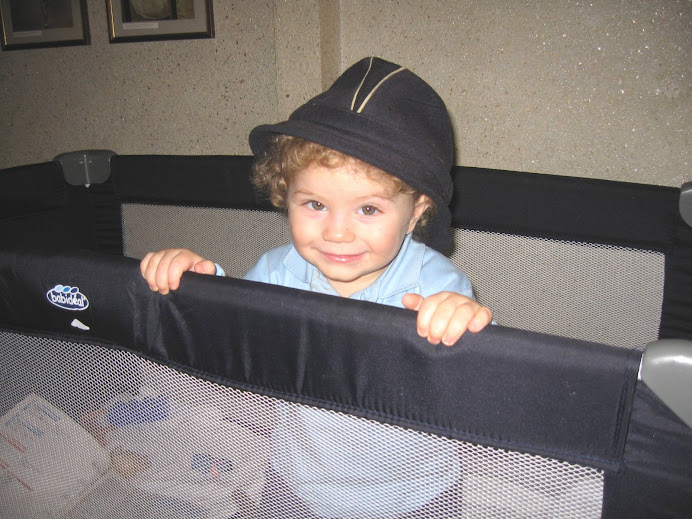
adorable baby

Picture Album

Picture Album


Farida and Farah

Farida and Farah
twins 8 months old

Dido 1

Dido 1
Home Alone!

Dido 2

Dido 2
Dido 2 years old

Dido 3

Dido 3
Feb. 2007

Nadine with Dido!

Nadine with Dido!

Jamila (Jumi) is Born!

Jamila (Jumi)  is Born!
12 December 2007

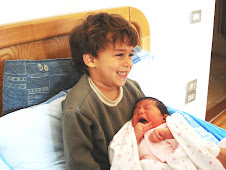
Dido & Jumi!

Dido & Jumi!
(Mamdouh With Baby Sister Jamila)

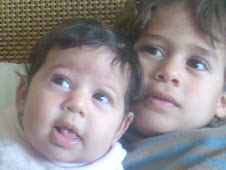
Jamila 2 months old, Mamdouh 3 years old

Jamila 2 months old, Mamdouh 3 years old
Feb. 2008

Jamila & Mamdouh, Feb. '08

Jamila & Mamdouh, Feb. '08
Nadine's babies; 2 months old, and 3 years old.

Jumi and Dido, Feb. 2008

Jumi and Dido, Feb. 2008

Jumi March 2008

Jumi March 2008
Jumi, 3 months old!

Jamila March 2008

Jamila March 2008

Jamila

Jamila
Jumi, March 2008

Jumi, May 2008

Jumi, May 2008

Dido, May 2008

Dido, May 2008

Jamila & Farouk July 2008

Jamila & Farouk July 2008
Sahel El-Shemally beach

Farouk & Jamila, July 2008

Farouk & Jamila, July 2008
At the North Coast

Farouk & Jumi, July 2008

Farouk & Jumi, July 2008
In 'sahel el-shemally'

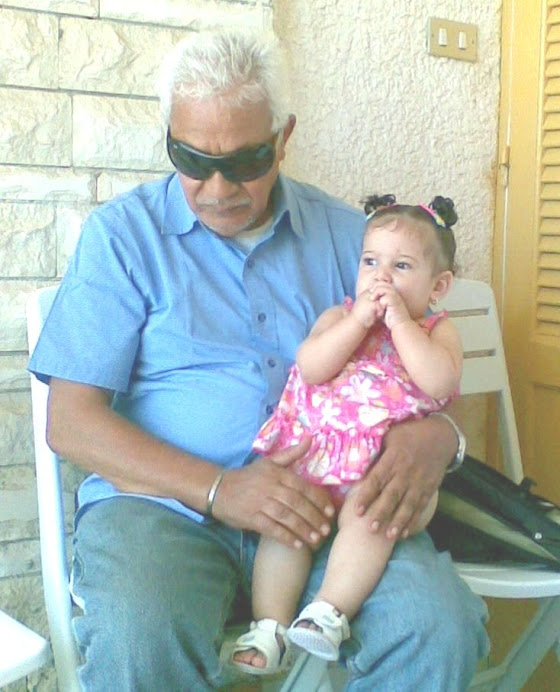
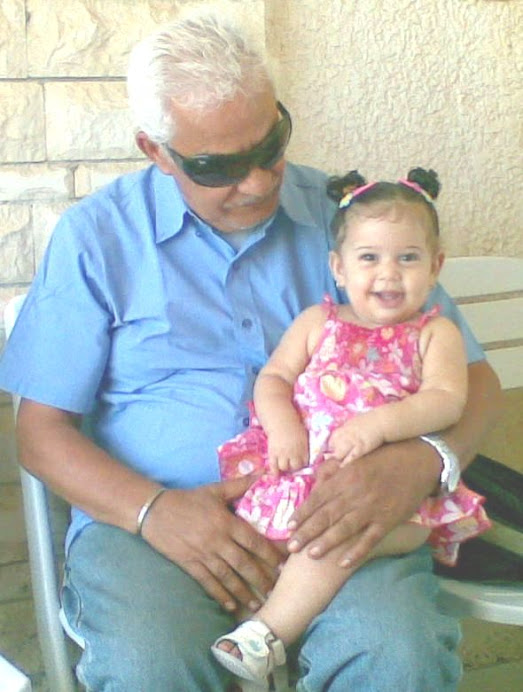
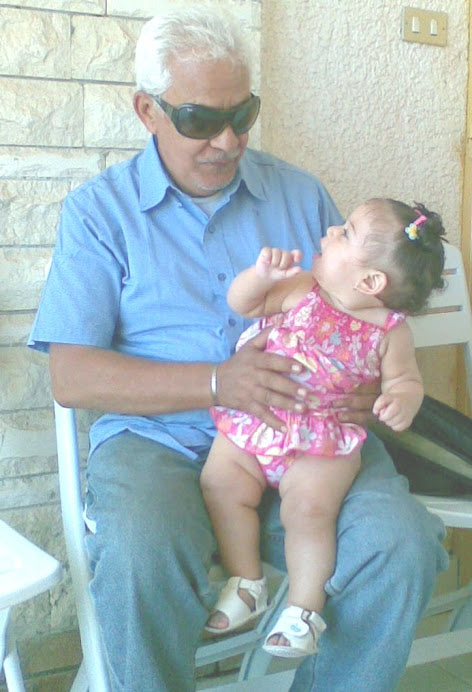
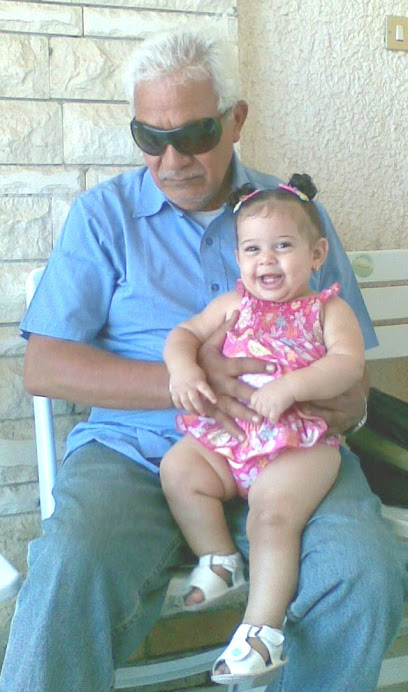
Jumi & Grandpa Farouk!

Jumi & Grandpa Farouk!

Jumi - 2009

Jumi - 2009
Jamila in Ein El-Sokhna


F R I E N D S !

F R I E N D S !

Giovanna e Angiolino

Vincent & Christian

Vincent & Christian
Italian baby twins!

Renata with Vincent & Christian 2007

Renata with Vincent & Christian 2007

Christian 2008

Christian 2008
One of Renata's twin grandsons!

Vincent 2008

Vincent 2008
The other grandson of Renata's...Christian's twin brother!


Evolution of Dance!

Hits Counter

Jumi and Dido Xmas 2010

Jumi and Dido Xmas 2010

Jamila Xmas 2010

Jamila Xmas 2010

Stella Xmas 2010

Stella Xmas 2010

Fedeehat Fatso!

Hits Counter